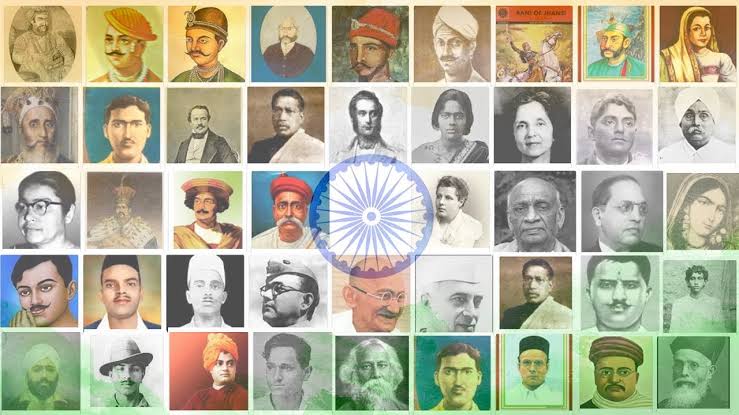
India is an Independent Country. Today we have world’s largest Democracy. Today we have freedom to do anything. But it was not always. Many people Sacrificed in liberating India. Of which we know about many people, but many such revolutionaries about whom we do not know anything.Today, in this blog, we will read about some of the best freedom fighters.
1. Khudiram Bose
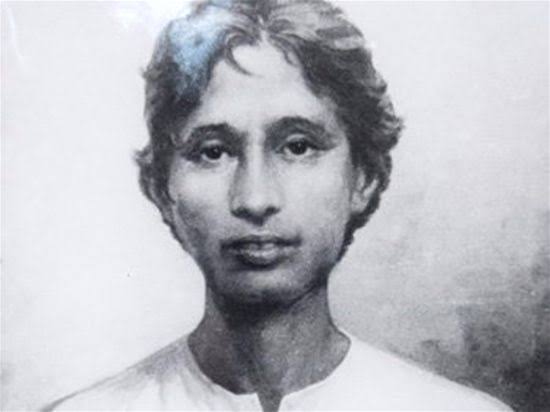
Bose’s tale of valour is one that simultaneously invokes pride as well as pity for perhaps the same reason. He was 18 years old, when he was sentenced to death for his role in the country’s freedom struggle.
In 1908, Bose was appointed to kill Muzzaffarpur district magistrate Kingsford, the Chief Magistrate of Calcutta Presidency. Kingston had become unpopular for passing harsh and cruel sentences on young political activists. He was also notorious for inflicting corporal punishment on them. Thus, when he was transferred to Muzaffarpur, Bose was sent to there to kill him.
On April 20, 1908, Bose threw a bomb at a carriage, believed to be carrying Kingsford, outside the European club. But the carriage was occupied by the wife and daughter of barrister Pringle Kennedy, a leading pleader at the Muzaffarpur Bar. An extra police force was deployed to find the perpetrator. Bose, in the meantime, had walked 25 miles and reached Vaini railway station. He was arrested by two officers there and hanged to death on August 11, 1908.
2. Peer Ali Khan
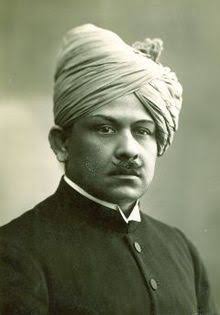
Peer Ali Khan was part of the 1857 rebellion against the British. He was born in Muhammadpur, in Azamgarh district of Uttar Pradesh. When he was seven he ran away, and arrived in Patna where he was given shelter and refuge by a zamindar who brought him up along with his son and educated him.
The start: Peer opened a book shop in Patna, which became the meeting point for freedom fighters to make plans to overthrow the British. In fact, the book shop was the point where everyone kept in contact not only among themselves but with Indian soldiers in the British army too. Ali conducted regular campaigns against the British, and became an integral part of the rebellion of 1857. While he was plotting with the soldiers of the Danapur Cantonment, two letters from them fell into British hands. They became aware of Peer Ali’s involvement.
Ali realised what had happened, planned to attack the British and gathered those interested. He collected 50 guns with the help of his co-worker, Maulvi Mehdi and distributed them among his group members.
On July 4, 1857, Ali and 33 followers were arrested. Most of them were hanged the next day without a hearing. Peer Ali was brutally tortured and cross-examined. On July 7, he was hanged.
3. Veer Savarkar
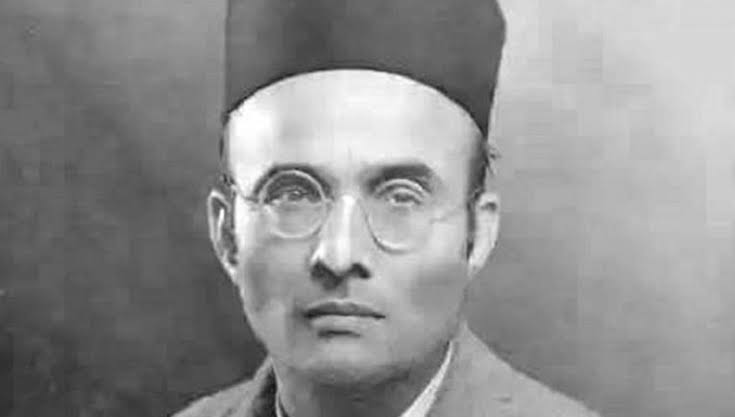
Veer Savarkar was a great revolutionary in the history of India’s struggle of independence. He was a great orator, scholar, prolific writer, historian, poet, philosopher and social worker. His actual name was Vinayak Damodar Savarkar. He was born on May 28, 1883, in the village of Bhagpur near Nasik.
The British Government withdrew Veer Savarkar’s graduation degree for his involvement in the Indian freedom movement . In June 1906 he went to London to become Barrister. He wrote a book “The Indian War of Independence 1857” on India’s struggle of independence, which was banned by Britishers. When he was in London, he encouraged the Indian students in England against the British colonial masters. He supported the use of arms in India’s struggle of independence.
He was arrested in London on 13 March 1910 sent to India for trial. However when the ship carrying him reached Marseilles in France, Savarkar escaped but was arrested by the French Police. On 24 December 1910, he was sentenced to jail in the Andamans. With his efforts a library was established in the jail. He even tried to impart education to the illiterate convicts in the jail. By the demand of great leaders like Vithalbhai Patel, Tilak and Gandhi a Savarkar was released and brought back to India on May 2, 1921.
Veer Savarkar was shifted to Ratnagiri jail, and then to the Yeravada jail. The book ‘Hindutva’ was written in the Ratnagiri jail. He was released from jail on January 6, 1924 and he later founded the Ratnagiri Hindu Sabha to preserve ancient Indian culture and worked in the direction of social welfare. Later he joined Swaraj Party, formed by Tilak and founded the Hindu Mahasabha, a separate political party and was elected its President. The party opposed the formation of Pakistan. The assassin of Gandhiji – Nathuram Godse was a member of the Hindu Mahasabha. Veer Savarkar was charged by the Government of India in the Mahatma Gandhi assassination case but was acquitted by the Supreme Court of India. At the age of 83 on February 26, 1966 he passed away.
4. Matangini Hazara
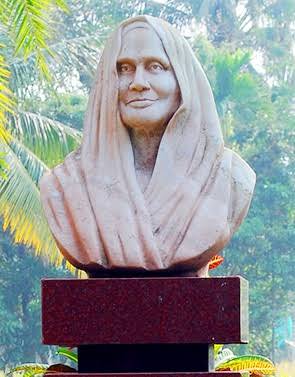
Hazra was part of the Quit India Movement and Non-Cooperation Movement. During one procession, she continued to advance with the Indian flag even after being shot thrice. She kept shouting “Vande Mataram” .
5. Madan Lal Dhingra
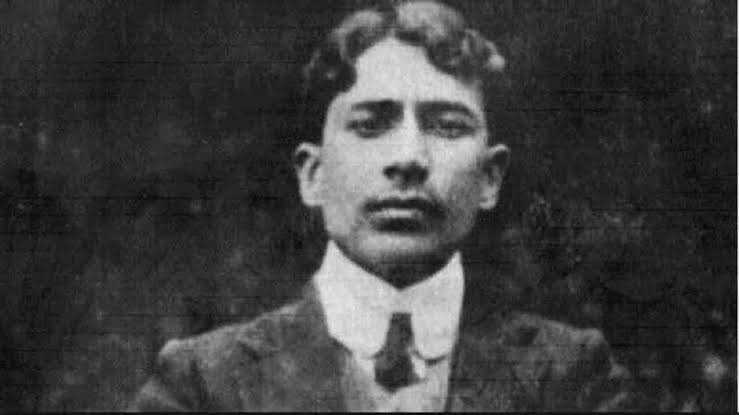
Indians were the ultimate revolutionaries of the freedom struggle. The credit for turning the spark of Indian independence into fire goes to the great martyr Madan Lal Dhingra. Even though there was no such tradition of patriotism in Madan Lal Dhingra’s family, he himself was painted in the color of patriotism. He was studying in England where he shot and killed a British officer named William Hut Curzon Wylie. He was indicted on July 22, 1909 for the murder of Curzon Wyllie. Madan Lal Dhingra said openly in the court that “I am proud that I am dedicating my life.” This incident is one of the first events of the Indian independence movement in the twentieth century.
6. Bhikaji Cama
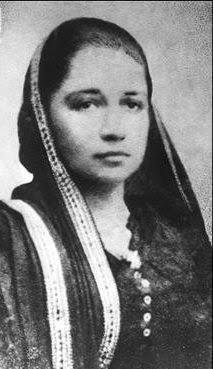
Although there are numerous roads and buildings named after her around the country, only few know who she was and what she did. Not only was she a part of the Indian Independence Movement, she was also a figure for gender equality. She donated most of her personal effects to an orphanage for girls. She also unfurled the Indian flag at the International Socialist Conference at Stuttgart in Germany, 1907.
7. Raj Kumari Gupta
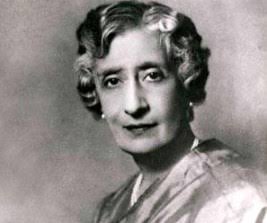
She and her husband worked with Mahatma Gandhi and Chandrashekhar Azad and she player a crucial role in the Kakori case as well. She was in charge of supplying revolvers to those involved in the operation. Raj Kumari hid the firearms in her undergarment and went to deliver them, with her 3 year old son alongside. Ironically though, on being arrested, she was disowned by her marital home.
By
Vishal Thakur
vishalthakur.art.blog
 Vishal Thakur