India’s History’s Biggest Traitors

Pic-Credit

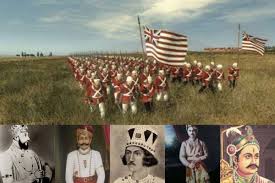
Gold bird (Sone ki Chidiya) means India was a happy and prosperous country. India had so much resources that he was the richest country in the whole world.The world’s first civilization is also the civilization of India (Indus valley civilization). But the foreign invasions destroyed the peace, prosperity and prosperity of India. There have been many foreign attacks on India in Indian history. To stop whom many great kings, queens and warriors took up arms. But due to some traitors, the external invaders were successful in capturing our country.These invaders not only ruled India but they robbed India and tried to destroy its civilization and culture. These invaders also tried to impose their rules, laws and religion on the people of India. All this happened only because some people of India cheated their own country for their own benefit. These traitors of India supported the enemies and allowed them to robbed the country.If India had not been traitors, then perhaps India would never have seen slavery. Today in this blog we are going to study about biggest Traitors of India.

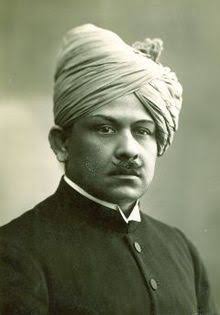
1. Ambhi Kumar (The King of Taxila)
Pic-Credit

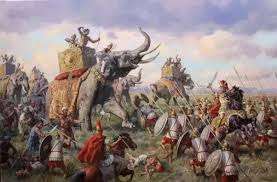
Ambhi Kumar was the ruler of Taxila in 331 BCE to 305 BCE. When Alexander reached India in 326 BCE , the kingdom of Taxila was in front of him. Alexander reached India with a Large Army. While the whole of India stood against Alexander, Ambhi Kumar warmly welcomed Alexander. One of the reasons for this was that Ambhi Kumar was jealous of King Porus & Porus was against Alexander. Because King Porus knew that Alexander wanted to take over India. Alexander was able to enter India only because of Ambhi Kumar. Due to which there was a fierce battle between King Porus and Alexander in 326 BCE on the banks of River Jhelum in Punjab. Historians still have different opinions about who won this war. But the only reason for this war was King Ambhi Kumar who did not allow only Alexander to enter India. But also helped Alexander in this war. That is why Ambhi Kumar is also called the first traitor of India.

2. Raja Jayachandra/Jaichand
Pic-Credit

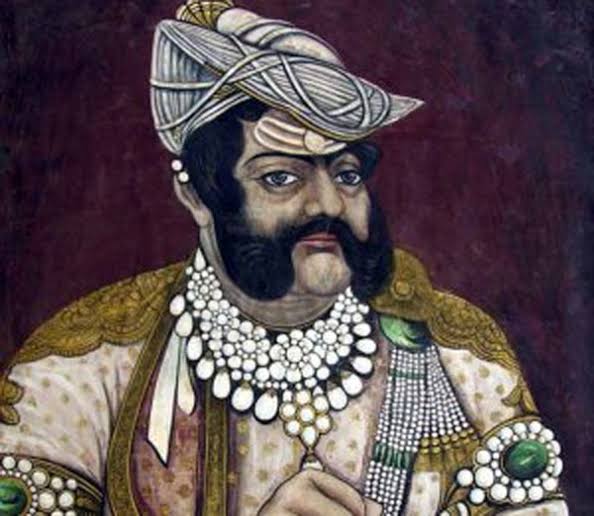
We all know about The Great King Prithviraj Chauhan. Islamic invasions in India increased in the 12th century.At that time the Power center of India was Delhi and The Great King Prithviraj Chauhan was the king of Delhi. Jaichand was the cousin of King Prithviraj Chauhan & he was the King of Antarvedi country in the Gangetic plains. Jaichand always wanted to rule over Delhi. Because of which he used to get jealous with Prithviraj Chauhan. In 1191, Mohammad Ghori attacked Delhi to capture Delhi. But in this battle, Mohammad Gauri was badly defeated and Prithviraj Chauhan was victorious. After Defeat When Mohammad Gauri started returning after losing, then Jaichand stopped Mohammad Gauri for his selfishness & give him a big army to Attack on Prithviraj Chauhan. This time due to Jaichand’s betrayal, Prithviraj Chauhan was defeated and Mohammad Ghori took him captive. Mohammad Ghori killed Jaichand as soon as he got the power of Delhi and made Prithviraj Chauhan blind. But Prithviraj Chauhan killed Mohammad Ghori by hitting a word piercing arrow with his cleverness. Jaichand’s betrayal not only snatched a great king like Prithviraj Chauhan from India. Rather, after this the Islamic invasion in India increased even more.

3. Raja Maan Singh
Pic-Credit

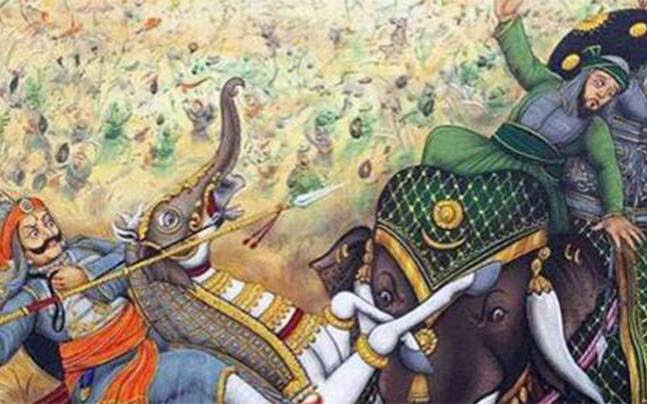
Maan Singh was the Raajput King of Amer. He was the General of Mughal emperor (Akbar) & one the nine Gems in the court of Akbar. In the 16th century, with the help of Bairam Khan, Akbar again laid the Mughal dynasty in Delhi.Akbar wanted to rule the whole of India. When Akbar was attacking kingdoms with the dream of capturing the whole of India. At that time Man Singh and his father Bhagwan Das were the first Rajput kings of India who proposed the marriage of their aunt to Akbar. Akbar accepted his offer and thus Akbar entered Rajputana.The result was that except Mewar, all the states accepted the suzerainty of Akbar. Not only this, even when Maharana Pratap was fighting a battle against Akbar alone, Man Singh gave full support to Akbar and also fought a war against Maharana Pratap on behalf of Akbar in the battle of Haldighati. It is not yet clear whether who won the war, but it was because of Man Singh that the Mughals managed to enter Rajputana and the Mughals ruled India for a long time and disturbed the culture, civilization and peace of India.

4. Jayaji Rao Scindia
Pic-Credit

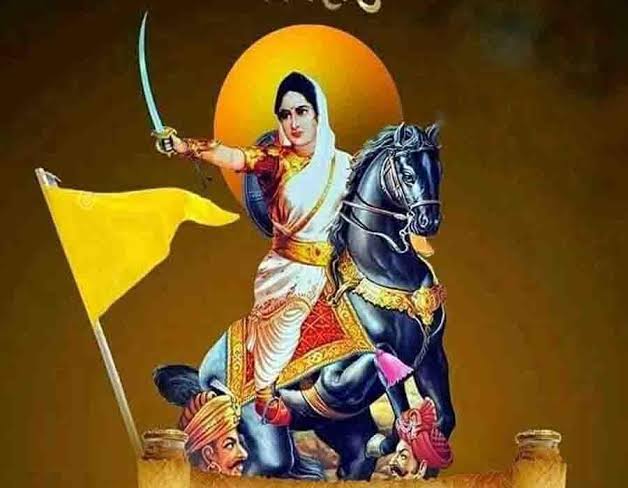
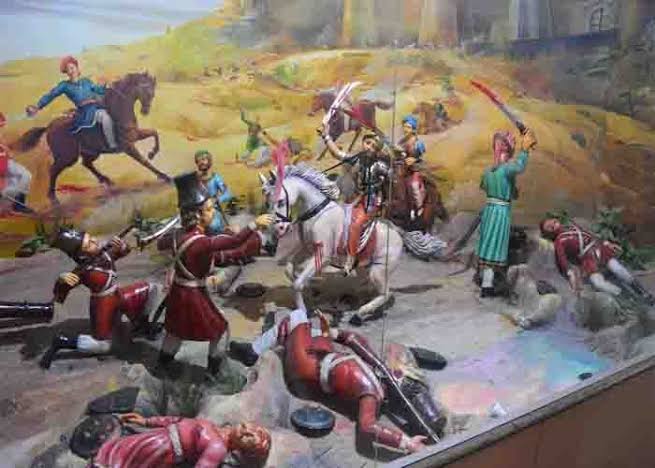
Jayaji Rao Scindia was the King of Gwalior. He was one of the weakest King of India. In 1853 after the death of King of Jhansi Gangadhara Rao British Govt. Refused to accept Rani Laxmi & Gangadhara Rao’s Son as successor of Jhansi & Captured Jhansi from Rani Laxmi Bai. After that, Rani Laxmi Bai started the movement against the British government. For which Rani Laxmi Bai started trying to unite all the kings of India. Rani Laxmi Bai shook the foundation of the British government in a very short time. Raja Jayaji Rao Scindia was a weak king and he also supported the British government.When Rani Laxmi Bai reached Gwalior to convince Jayaji Rao Scindia, Scindia tried to take Rani Laxmi Bai captive.But by doing this action so, his army turned against him. After which Scindia left the Gwalior fort and fled. And after this, Rani Laxmi Bai once again laid the foundation of the Maratha Empire in the Gwalior Fort. After escaping from the fort, Scindia approached the British government and told them that Rani Laxmi Bai was hiding in the fort of Gwalior. As a result, the British army surrounded Rani Laxmi Bai in the Phool Bagh of Gwalior. And that fierce battle took place in which The Great Queen Rani Laxmi Bai was martyred. This betrayal of Scindia pushed India’s independence further back

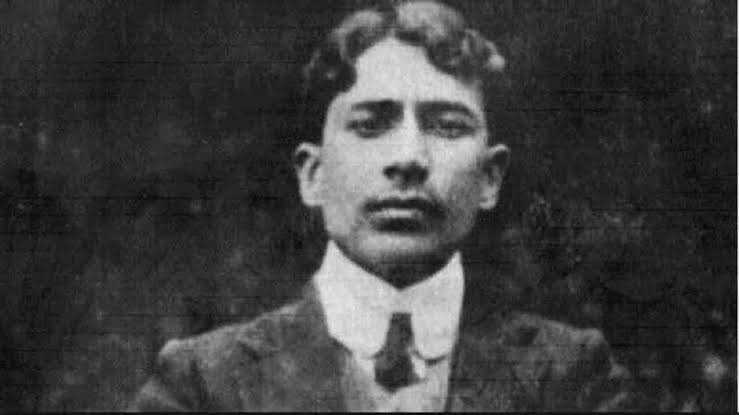
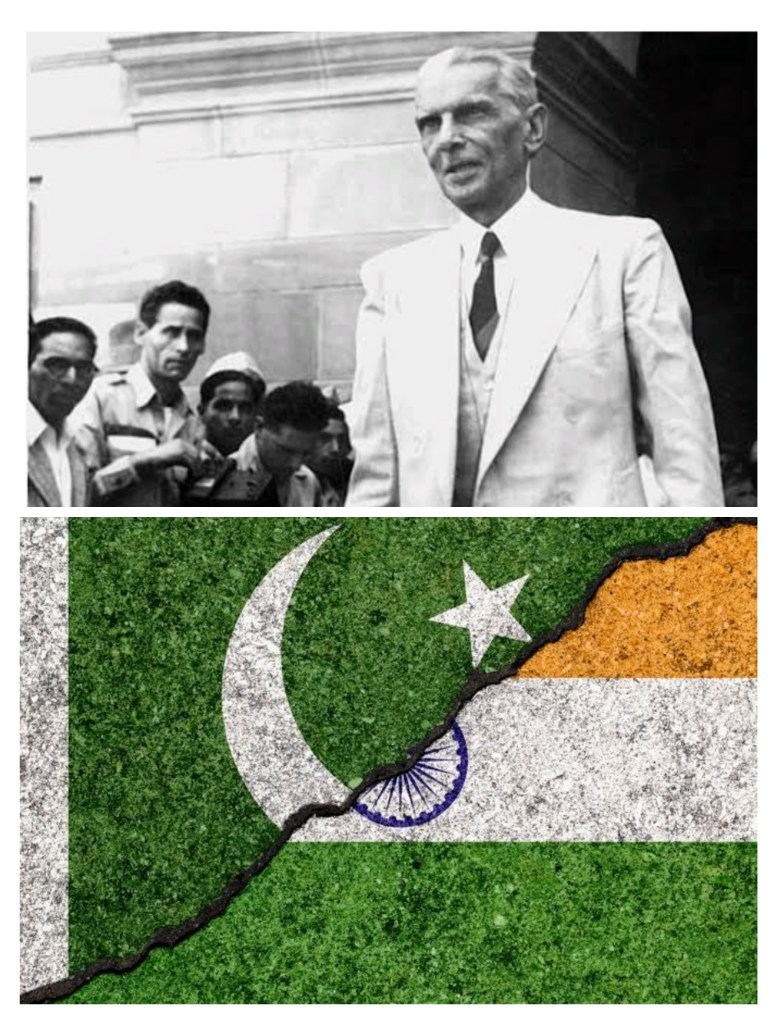
5. Mohammad Ali Jinnah
Pic-Credit

Movements against the British were spreading rapidly in India in the 19th century. The British government was very frightened by these movements. To stop these movements and to maintain its power, the British government was making new rules. But these new rules were very painful for the general public. The Congress Party was formed in 1885 to stop the British government and to give a new way to the country’s politics. Accordingly, the All India Muslim League was formed in 1906 for the benefit of Muslims.The All India Muslim League was formed for the benefit of the Muslims. But speaking against the Congress had become the profession of this party. Troubled by the movements in India, the British government started a fight between Hindus and Muslims in the country. Mohammad Ali Jinnah instigated this fight so much that the country was divided. In 1913, Muhammad Ali Jinnah became the President of the All India Muslim League And he wanted to become the Prime Minister of independent India. But when people did not get the support, they instigated the Muslims. And demanded a separate country for the Muslims. The situation in the country started deteriorating and the result was that India became independent on 15 August 1947.But he got divided into two parts. A part of India was given to Muhammad Ali Jinnah, which was named Pakistan. If Muhammad Ali Jinnah had not instigated the Muslims with treachery, then perhaps India would have been free but it would not have been partitioned. This betrayal of Muhammad Ali Jinnah caused many riots and due to this partition many people became homeless whose pain both country is still facing today.

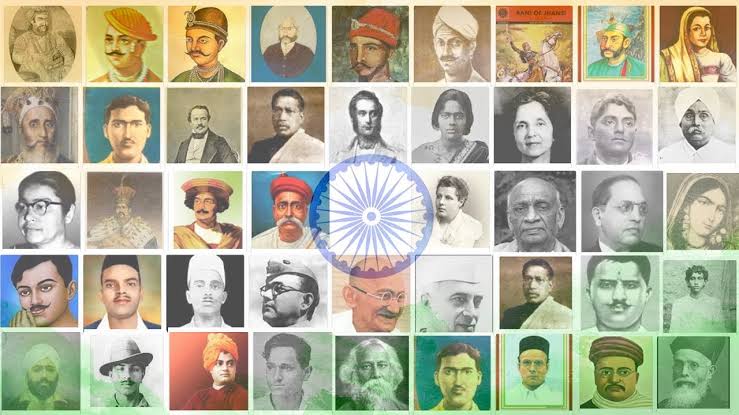
So these were some traitors of our country, because of which our country was called the golden bird. He had to suffer slavery for many years and the country was divided. Where in our country Porus, Prithviraj Chauhan, Maharana Pratap, Chatarpati Shivaji Maharaj,Rani Laxmi Bai, Mahatama Gandhi, Bhagat Singh, Chandra Shekhar Azad & many people like them who raised the head of the country with pride, there were such traitors in our country too who bowed country heads for their selfishness. These people were sold for their selfish reasons and made the country slave.

By
Vishal Thakur
vishalthakur.art.blog
Dewair – ‘The Battle of Revenge’

Pic-Credit

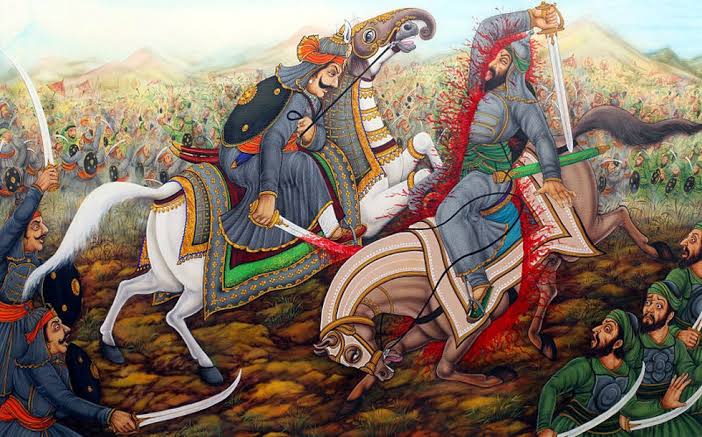
When we talk about Maharana Pratap, the war of Haldighati is in the minds of all of us. The Battle of Haldighati is one of the greatest battles in the history of India. In this war, Maharana Pratap’s army was going to be the win, but because of Akbar’s army got the help of other states & due to injuries of Maharana Pratap very much. Keeping in mind the Future of the state, Maharana Pratap was removed from this battle. But what happened after this, some people probably know. It is very sad that Indian historian seen Maharana Pratap’s bravery, patriotism and his courage only from the Battle of Haldighati. In the battle of Haldighati, Maharana Pratap lost everything and went to the forest with his family and the remaining soldiers. Where he created a new and powerful army. and started a new war against the Mughals. In 1582, there was a major war between Maharana Pratap and Akbar’s army at the fort of Dewair. In which Maharana Pratap withdrew his everything Today in this blog we are going to know about a Biggest Revenge War of Indian History & A Biggest Defeat of Akbar(Mughals).

Pic-Credit

After the war of Haldighati to Continuing the fight against Mughals & to regain his kingdom Maharana Pratap was went to jungle with his family. Where he lived with Bhils. Where Bhamashah helped him with 25 lakh gold coins. After getting help from Bhamashah Maharana Pratap create his new & powerful army . With the help of his new army and Bhils, Maharana Pratap started guerrilla wars against Mughals. Who broke Akbar from Inside. When Akbar came to know that Maharana Pratap was alive, he was so afraid that he changed his capital from Agra and fled to Lahore. After the disbanding of the Mughal army by the guerrilla war, the battle of Dewar was fought on the Auction of Dusshera in 1582.

Pic-Credit

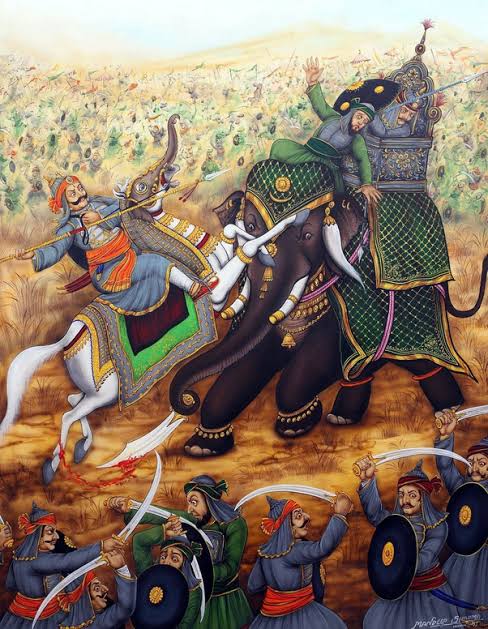
On 16 September 1582 , on the occasion of Dashehra , Maharana Pratap motivated his soldiers to fight back and make Mewar independent once again . Accordingly Mewar army was divided under two groups : One under Maharana Pratap and other under Kunwar Amar Singh & Pratap attacked the Mughal fortification of Dewair which was commanded by Mughal officer Sultan Khan. In the battle, Pratap’s son Amar Singh killed Sultan Khan and the Mughal army was forced to give up Dewair and retreat.36000 Mughals surrendered to Rana Pratap . The retreating Mughal soldiers were pursued to Amet, which was also captured by Pratap. Soon after, Kumbhalgarh 36 garrisons (thanas) and 84 other posts were captured and the defenders killed. Pratap faced no resistance in Udaipur which had already been abandoned by the fleeing Mughal armies. 


Pic-Credit

In this battle Maharana Pratap regain his Kingdom & his all forts. This was the biggest Victory of Mewar as well as Maharana Pratap & a Biggest lose for Mughals. The strength of Maharana Pratap army in this war was approx. 40,000 & Mughals strength was 1 lakh. More than 34,000 soldiers of Mughal army was died in this war & approx. 36,000 soldiers surrender to Maharana Pratap. This was the biggest Victory of Maharana Pratap against Mughals. Before this war no one won this type of victory against Mughals. But it is very sad that Indian historians do not give much importance to this war & only a lot of people know about this war. This war is one of the important events of Maharana Pratap’s life time. This was the biggest Victory of Rajput Amry or Mewar.

Pic-Credit

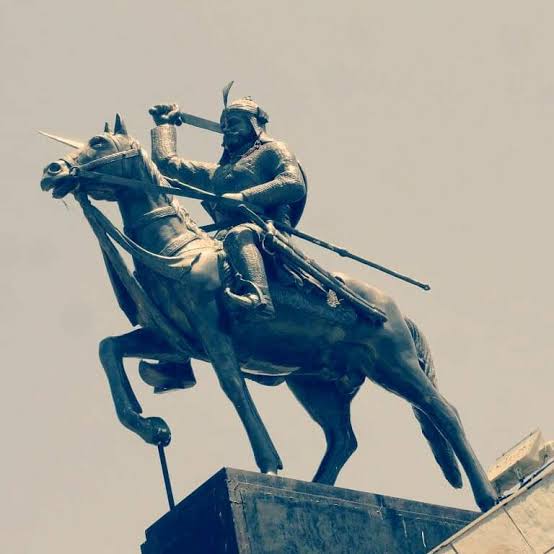
Staute of Maharana Pratap on Dewair

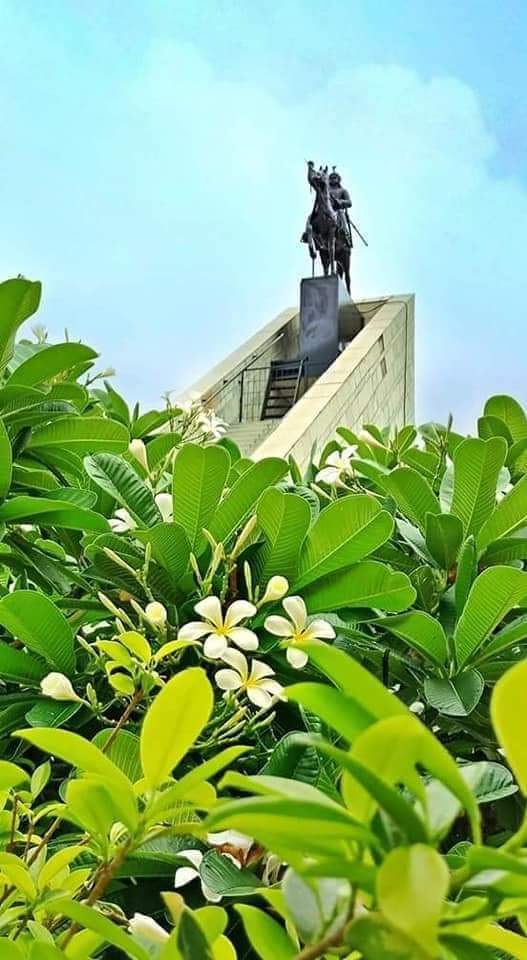
The statue of Maharana Pratap on Dewair was one of the biggest Statue of Maharana Pratap in Rajasthan. He dedicated to Maharana Pratap’s Biggest Victory Against Mughals & Mughals Historical Defeat. This statue also show the Patriotism, courage, strength and grace of Maharana Pratap.

By
Vishal Thakur
vishalthakur.art.blog
Legend Queens of Indian History

Pic-Credit

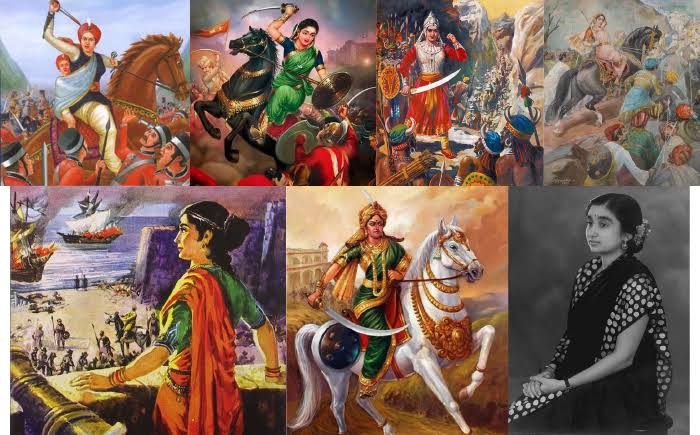
History of India is full of bravery. There have been many such Heroes on the blessed land of India who have presented unique examples of bravery. We know most of brave kings but most of us not know about brave & Legend Queens of our Indian History who presented many examples of their bravery, Legendry, Patriotism & Women power ( Nari Shakti). Today in this blog we will study about some Legend Queens of our Indian History.

1. Rani Laxmi Bai

Pic-Credit

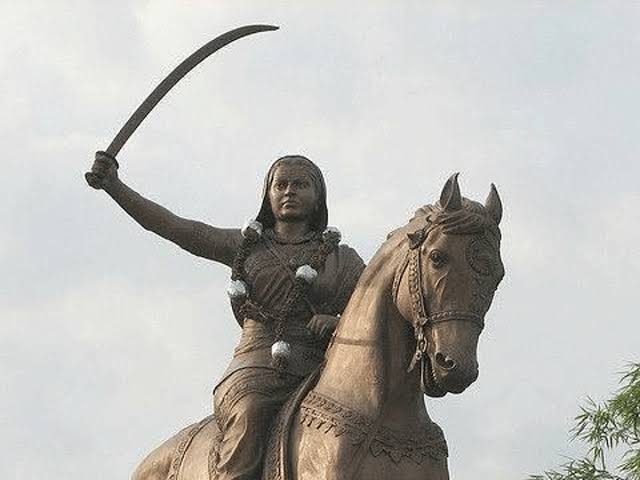
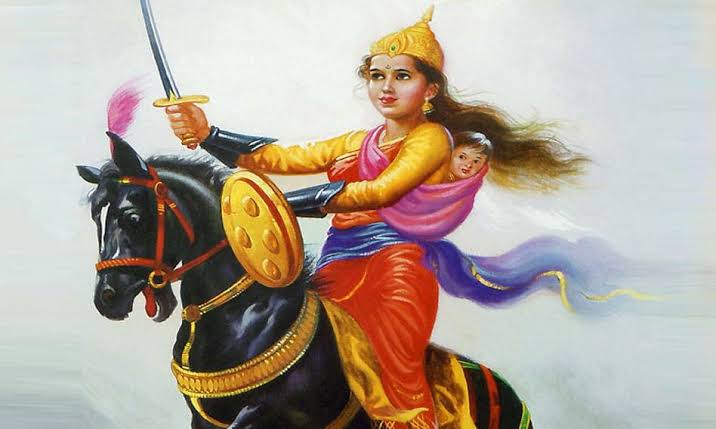
Rani Laxmi Bai was born on 19 November 1828 in a Brahmin Maratha Family. Her father Moropant was an employee in the court of Peshwa Bajirao II. Her childhood name was Manikarnika. Manikarnika was very brave & Patriotic since childhood. She was given name Laxmi Bai when she married to Gangadhar Rao the king of Jhansi. They had a son after some time of Marriage but due to some illness their son was died. After which a serious Disease surrounded the king too. Due to the Deterioration condition of the king, they adopted a son whom named Damodar Das. King declared Damodar Das as his successor. After sometime of this king was died.

Due to the age of succeser is very small Rani Laxmi Bai assumed the throne of After the death of the King. At that time, British rule was over all the India. Britsh Government refuse to accept Damodar Das as a succeser because he was an adopted child & Captured Jhansi. After which Rani Laxmi Bai Fought & Win many battles to liberate India from East India company & forced British Government to return Britain but suddenly in the Phool Badh of Gwalior British army surrounded her & Rani Laxmi Bai martyred in this battle.

2. Rani Padmavati

Pic-Credit

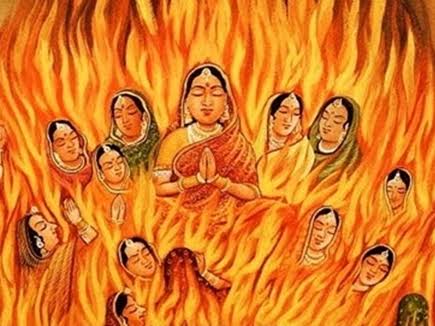
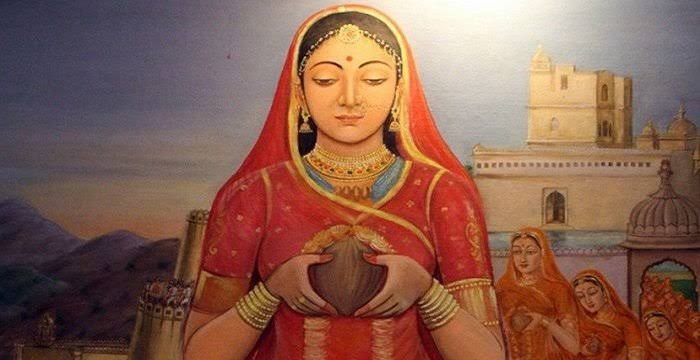
This is the story of 1303 when Allaudin Khilji Capturing forts in india.At this time the ruler of Chittor was Rana Rawal Ratan Singh. His wife Queen ‘Padmavati‘ was very beautiful & intelligent. Her beauty was discussed in all over the world. When Allauddin Khilji heard the beauty gossips of Queen ‘Padmavati’, he thaught of making her his queen. For which he arrested Rana Ratan Singh by deceit in Delhi & demanded Queen Padmavati in return. But Queen ‘Padmavati’ got out Rana Ratan singh from Delhi with her Courage & Intelligence. After failing his trick Khilji attacked chittor fort with a large army. In this war Rana Ratan Singh was killed. After the death of Rana Ratan Singh Queen ‘Padmavati’ sacrifice with 16 thousand queen by jumping in pool of fire to protect her honour from enemy & Khilji’s dream was only a dream, even after so many efforts, he could not even see the face of Queen ‘Padmavati‘ in his whole life.

3. Rani Karnavati

Pic-Credit

This is the story of 14th Century when Delhi was under the rule of Mughal king Humayun. After the death of Rana Sanga the Rajput army was significantly weakened. Which was benefited by Bahadur Shah, the ruler of Gujrat in 1535. In 1535 Bahadur Shah attacked chittor fort with large army. In this war where Bahadur had lakhs of soldiers & weapons, the same rajput had 30-40 thousand soldiers & they not yet emerged from the mourning of Rana Sanga’s Death. During this war Queen ‘Karnavati’ sent a letter to Humayun for help. As Humayun assured her of eligibility of help at the time of problem. But at that time Humayun refused to help Queen Karnavati & after that Queen Karnavati
did Jauhar with 13000 queen by jumping in pool of fire after seeing Rajput army defeated in battle.

4. Rani Chenamma

Pic-Credit

She was born in the small village of Kakati in Belgaum, Karnataka in 1778. From a very young age she received training in sword fighting, archery and horse riding and got private lessons at home. Once King Mallasarja of Kittur was moving around trying to find support from neighbouring kingdoms to fight Tipu Sultan and approached Dhulappa Desai. He then saw Chennamma and was attracted to her confidence and bravery.Though he was already married and had a son Shivalinga Rudra Sarja, he took Chenamma as his second wife. They had a son who died at a young age. King Mallasarja also passed away. It is said that East India company’s collector and political agent Thackeray wished to capture Kittur to expand the British Empire. Rani Chennama now Queen of kittur decided to take charge and rallied together her trusted men to fight against the British. As a conclusion of this war British officers including Thackeray were killed. The remaining officials and soldiers were imprisoned and she ensured that they were treated with courtesy and kindness.

The British Empire was enraged at the humiliation of defeat at the hands of a small ruler and sent bigger armies to Kittur to capture it.. A fierce battle was fought but this time due to a number of traitors in her camp she lost the battle and was captured by the British and their treasury looted.

It is said that such was her indomitable courage and fearlessness that she tried to escape twice from the Kittur fort but was recaptured both times and then put in solitary confinement for life. She spent her days performing pooja and reading the holy texts till her death.In the year 1829 she died in confinement with the dream of a free Kittur in her heart and mind. Her burial place or Samadhi is at Bailhongal taluka surrounded by a small park.

Rani Chennama was a great example of this principle of real living by showing to the world that one woman could stand against the might of the British Empire for upholding justice and righteousness.A statue of Rani Chennamma was inaugurated in Parliament building in New Delhi in the year 2007 by the then president and prime minister. A number of memorials have been set up naming schools, parks etc in her name. Every year her legacy is commemorated from October 22 to 24 during the Kittur Utsava.

5. Rani Abbaka Chowta

Pic-Credit

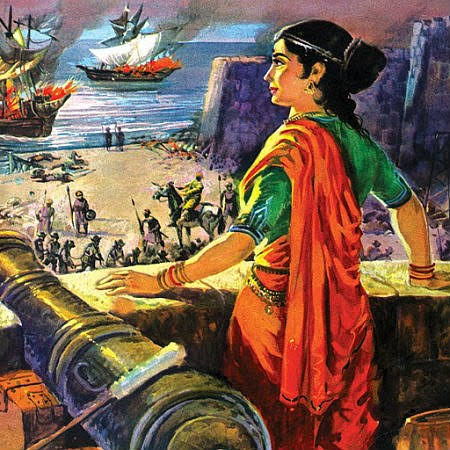
Rani Abbakka, the ruler of Ullal (a town in Mangalore), was the first Tuluva Queen and was called the ‘first woman freedom fighter of India’. Rani Abbakka fought against the Portuguese for over four decades when they trained their eyes towards the South after capturing Goa. Even after she had been captured, she refused to give up and died fighting for freedom. For her monumental bravery, she is still known as Abhaya Rani (the fearless queen) and her stories are incorporated in various folklore and legends. 

6. Rani Velu Nachiyar

Pic-Credit

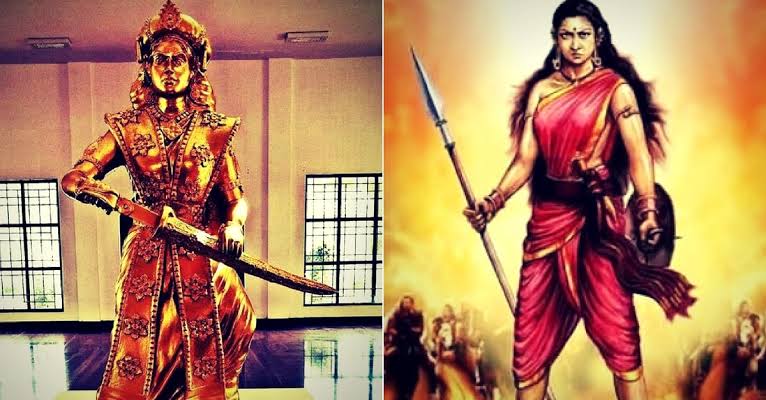
The Queen of Sivaganga, Velu Nachiyar, predates the Ranis of Kittur and Jhansi as the first female freedom fighter against the British. Also known as Veeramangai (brave woman), she was trained in martial arts, horse riding and archery. She was also fluent in French, English and Urdu. After her husband was killed by the British army, she launched an attack against them after seeking refuge with Haider Ali, the Sultan of Mysore. When her daughter was martyred in the fight against the British, the queen formed a women’s army and named it after her. Her fearlessness and gallantry are remembered even today.

7. Rani Ahilyabai Holkar

Pic-Credit

She was born in the village of Chondi in Jamkhed, Ahmednagar in 1725, she was fondly referred to Rajmata Ahilyabai Holkar was the Holkar Queen of the Malwa kingdom. Her father, Mankoji Rao Shinde, was the Patil (chief) of the village. Her father home schooled her to read and write. She was married to Khanderao Holkar in 1733 at the tender age of 8.But unfortunately her husband Khanderao was killed in the battle of Kumbher in 1754, leaving her a widow at only 21. Ahilyabai’s only son Male Rao Holkar ascending the throne under her regency. Young monarch Male Rao too died, a few months into his rule, on 5 April 1767. Ahilyabai stood undeterred even after loosing her entire family.She did not let the grief of her loss affect the administration of the kingdom and the lives of her people. She took matters into her own hands. She petitioned the Peshwa after her son’s death, to take over the administration herself. She ascended the throne and became the ruler of Indore on 11 December 1767. The supreme ruler of the Empire, Peshwa Raghoba, was instigated by one of Ahilyabai’s own ministers to confiscate the excess wealth of Indore. Ahilyabai pointed out to him that under the agreements that existed the wealth of the treasury was supposed to be for the well being of her subjects or for charitable purposes.

The Peshwa was infuriated that she defied him, and threatened military action. She in turn challenged him to come and meet her on the battlefield. She gathered a small force, which included many women, and set out to fight. A message was sent to the Peshwa: “Now I will show you how weak I am. If I lose fighting against men I will have lost nothing. But if you lose against women then you will be in the soup! And remember, that is exactly what will happen.”

The Peshwa had a change of heart. He said, “You have misunderstood. I do not come to fight, but to mourn your son’s death.” He ended up staying as Ahilyabai’s guest for a month and was thoroughly impressed at the skill with which she ruled. For example, she had greatly reduced crime and theft, by encouraging poor people to get involved in trade and farming.At the age of 70 Ahilyabai passed away in Rameshwar. Her life shines brightly in the firmament of history, for ruling her kingdom with piety and selflessness; sincerely devoting herself to her subjects while keeping Dharma at the forefront of all that she did. Her life will be an inspiration for future generations of Hindus.

8. Rani Durgavati

Pic-Credit

From the South of India, we come to Central India to find another brave Indian queen by the name of Rani Durgavati. Durgavati was born to the Chandela Rajput Clan. Her father was Keerat Rai and she was born at the Fort of Kalinjar, which falls in present-day Uttar Pradesh state.

She was married to Prince Dalpat Shah of the Gondwana kingdom and they had a son from this marriage. But Dalpat Shah died when his son was only five years old. So Rani Durgavati took the responsibility of ruling the kingdom herself and she strategically moved her capital to the Satpura Hill ranges, which falls presently in the Madhya Pradesh state of India, to have better defenses.

After a few years, Rani Durgavati was attacked by the ruler of Malwa called Baz Bahadur, who is mainly known for his famous affair with Roopmati. However, this attack was repulsed by the Rani. After this, in c. 1562, Malwa was captured by the Mughal Emperor Akbar, whose generals later attacked Durgavati because her kingdom touches their domain and Akbar wanted total control of the sub-continent.

The Rani was not frightened by the mighty Mughal army and she moved to a more secure position, from where she and her son carried on fighting. Though they repulsed the Mughal army several times, her son got injured and was carried off the battlefield. Rani Durgavati was badly injured too, and looking at imminent defeat, she killed herself – thereby holding on to her belief that it was better to die than capitulate to the enemy.

Visa Free Countries for Indians

Pic-Credit

We Indians like to travel to other countries that’s the reason we are in 16th position in 140 countries in traveling. But sometimes Visa Break our traveling craze. Visa is the permission to travel from one country to another countries & sometimes its very difficult to take visa to visit other country. In this blog we will read about countries where Indians can visit without visa.

1. Nepal

Pic-Credit

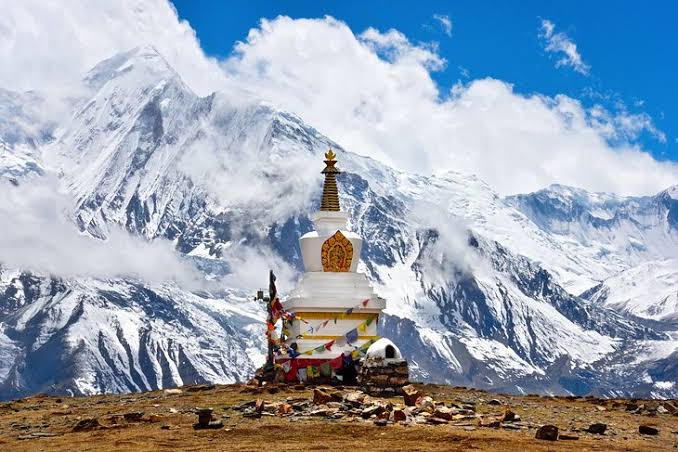
Nepal is a country where Indians don’t need passport to cross the border. As per Nepal Embassy, residents of India can come to Nepal either with their Passport or with a photo identity card. This photo Identity Card must be issued by the Government of India. This country has various sights to travel like Bhaktapur Durbar Square, Banks of Bagmati River, Pashupati Mahadev Temple, etc.

2. Bhutan

Pic-Credit

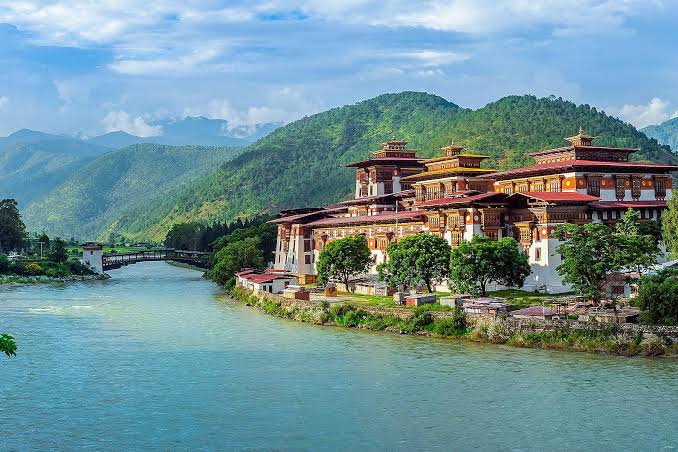
Bhutan is the land of Greenery & Buddhism. To visit Bhutan Indians not need Passport as per the treaty between Bhutan & Government of India. You can visit Bhutan by road. There are many sightseeing locations in Bhutan. You can enjoy estatic view of entire Paro Valley ( Capital of Bhutan) on Buddha point.

3. Hong kong

Pic-Credit

Indians can visit Hong Kong without visa & can stay here for a period of 14 days. Hongkong is famous for its shopping malls, Lip smoking food, Night Markets & Peak point where you can enjoy a vast view of entire Hong Kong. This place has 90 above restaurants. If you are in Hong Kong don’t forget to visit Disneyland for which Hong Kong is famous in the world.

4. Mauritious

Pic-Credit

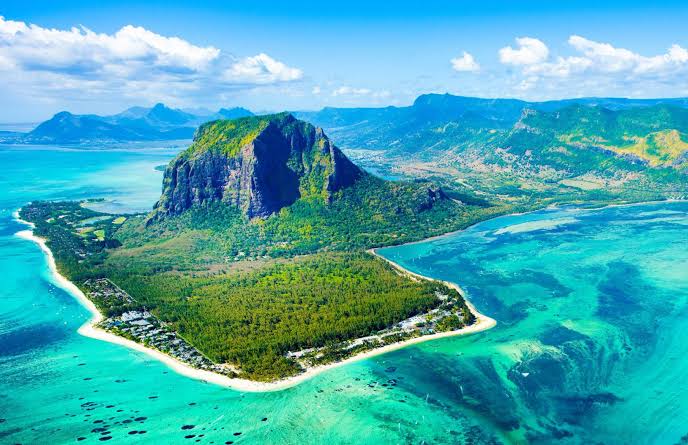
Mauritious is the beautiful country known for its beaches, rainforest, Hiking trails, waterfalls & vast wildlife. Indians can visit Mauritious without carrying prior visa. The Indian nationals can avail visa on arrival means Indians can avail visa after entering the country. If you wish to enjoy both flora & fauna you should visit Mauritious.

5. Maldives

Pic-Credit

Maldives is the land of Coral reefs, Blue lagoons & Beautiful Beaches. Indian people can enter Mauritious without visa & avail visa after visit for period of 30 days upon arrival. But you will have to take your passport to visit Maldives.

6. Bolivia

Pic-Credit

When you arrive Bolivia, you can avail visa for 30 days but you should have your passport. In Bolivia you can visit many parts of Amazon Forest. You can take back nice souvenirs for home from Bolivia.

7. Macau

Pic-Credit

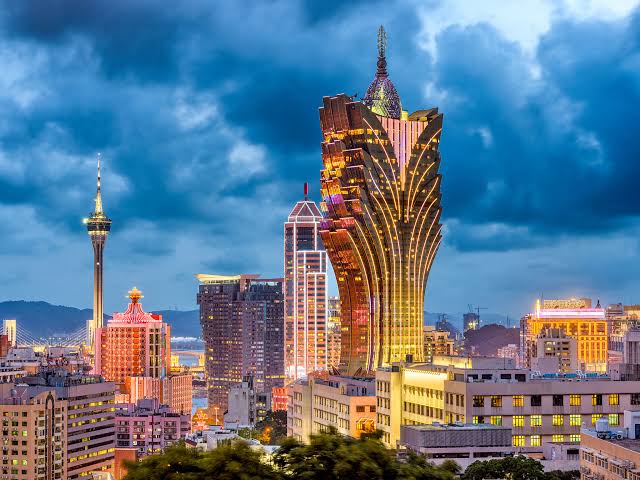
This is one of the richest countries across the globe & you can enter in this country without visa. There are many destinations to visit in Macau like – Macau Tower, Senado Square, Ruins of St. Pauls , etc. Macau is also known as Las Vegas of Asia.

8. Serbia

Pic-Credit

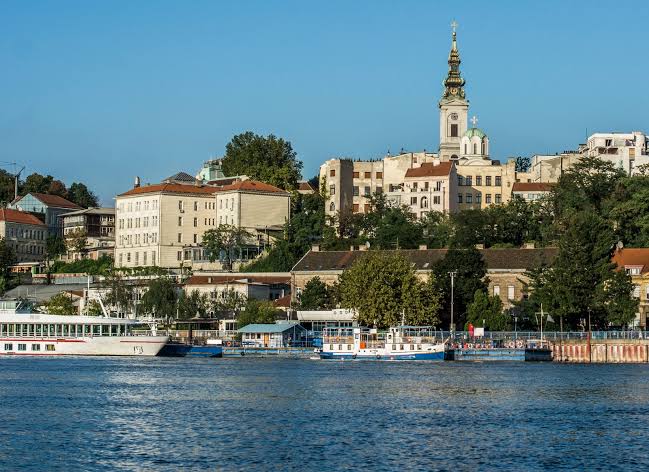
Serbia is the one of the beautiful country in the world where Indians can visit without visa. Serbia is one of the high cost living country. This country is known for its Mountains & National parks. If you are in Serbia you should visit kapaonik National Park.

There are total 16 countries where Indians can visit without visa & 33 countries where Indians can visit on Arrival Visa. Some of them are as follows:

  • Fiji
  • Haiti
  • British Virgin Islands
  • Micronesia
  • Saint Kitts and Nevis
  • Saint Vincent and the Grenadines
  • Republic of Trinidad and Tobago
  • Commonwealth of Dominica
  • Vanuatu
  • Turkish Republic of Northern Cyprus
  • Turks and Caicos Islands
  • Kish Island
  • Cook Islands
  • Pitcairn Islands
  • Montserrat

By
Vishal Thakur
vishalthakur.art.blog
Unique International Borders

Pic-Credit

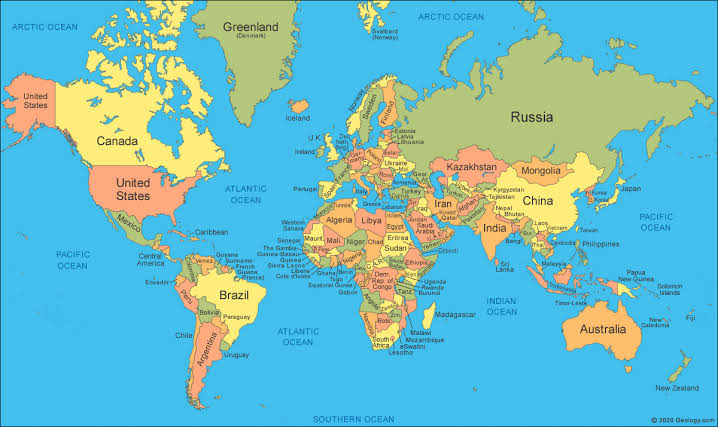
There is 195 Countries in the world. Who share there borders to each other. Today in this blog we will read about some Interesting International Borders.

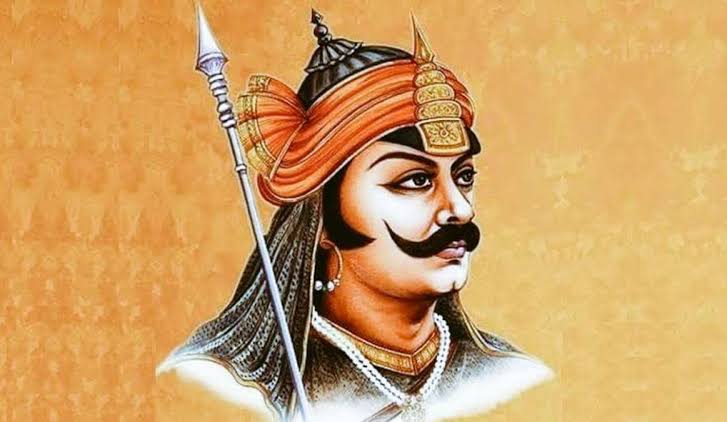
1. INDIA & PAKISTAN

Pic-Credit

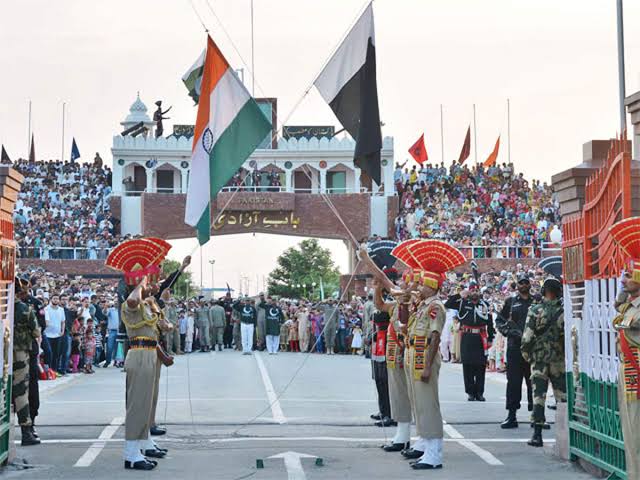
The India & Pakistan border is the 3,323 km long boarder. This border is one of the most dangerous border in the world, with a long history of conflict b/w these countries. But there is a unique Ceremony held daily between these countries on Atari border. Where both countries ascend & descend their Flags together a parade also held their between this ceremony. Thousands of people come both side of the boarder to watch the Beating Retreat Ceremony.

2. Netherlands & Belgium

Pic-Credit

The Belgium – Netherlands border separates Belgium & the Netherlands & this is 450 km long. Belgium & the Netherlands are part of the Sachengen Area. This means there is no permanent border control at thiw border. This International Border line Not only divide these countries. This line also divide some house . Means one part of the house is in Belgium & one in Netherlands.

3. USA & Mexico

Pic-Credit

The frontier between the USA & Mexico is the busiest land border in the world. It is also among one of the world’s most heavily regulated & policed Border zones. Every year in the month of April people from both countries come both side of border fence & play Volleyball tournament.

4. Slovakia, Austria & Hungary

Pic-Credit

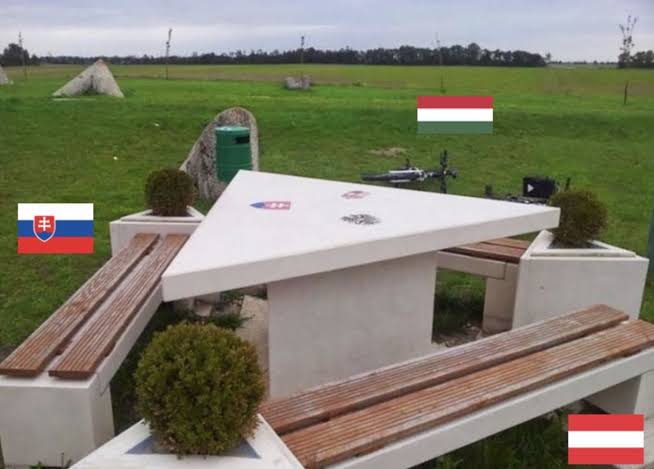
There is a triangular table on the border of Austria, Slovakia & Hungry border who divide these countries.

5. Haiti & The Dominican Republic

Pic-Credit

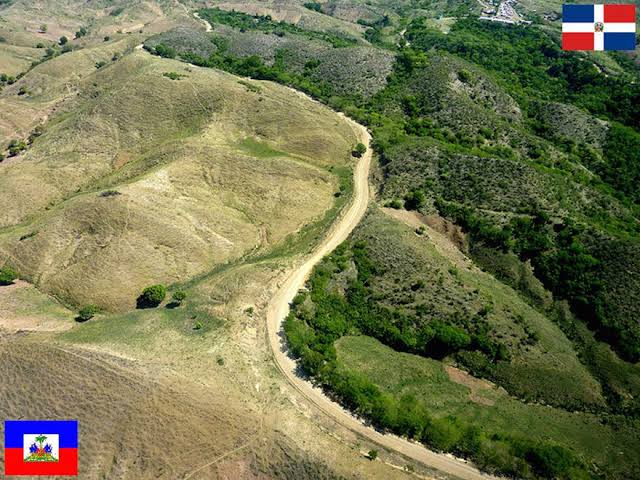
The Haiti & Dominican Republic border is the international boundary b/w the Dominican Republic & Haiti. The border is 375 km in length. This boder is very unique because it is created bt Environment.

6. Spain & Portugal

Pic-Credit

The Spain & Portugal border is the one of the oldest border in the world. It is 1214 km in length. There is a zipline on the border of these countries who connect Spain & Portugal.

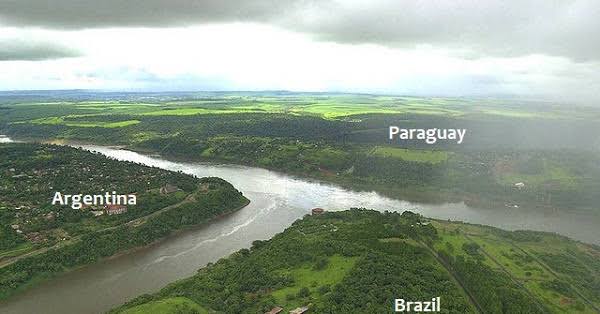
7. Argentina, Brazil & Paraguay

Pic-Credit

The triple frontier is a Tri – Border area along
the junction of Paraguay, Argentina & Brazil. There is a river on these countries border who divide these countries border.

8. USA & Canada

Pic-Credit

The Canada & US border is the longest international border in the world. The terrestrial boundary is 8,891 km long. There is only 100 miles fence b/w these countries. In some areas the border line is crossing from road.

9. USA & Canada

Pic-Credit

There is a library name Haskell on the border of USA & Canada. This library divided b/w these two countries.

10. India & Bangladesh

Pic-Credit

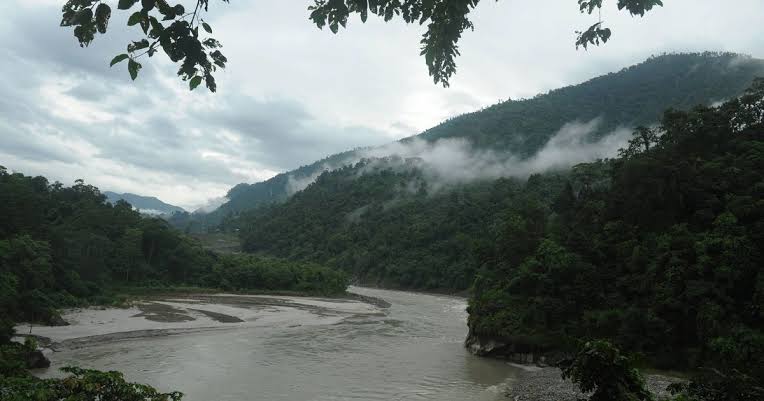
The Bangladesh & India border is the International Border with 4,156 km in length. There is a river in Sundarbans who divide these countries.

By
Vishal Thakur
vishalthakur.art.blog
(ISS) Platform in Space

Pic-Credit

Today Science has made great progress. Things we thought was impossible till yesterday seems to be possible today. Today, we are seeing our future in Space with the Earth as well. One result of our achievements is International Space Station. Today in this blog, we will get to know some intersting facts about International Space Station.

Pic-Credit

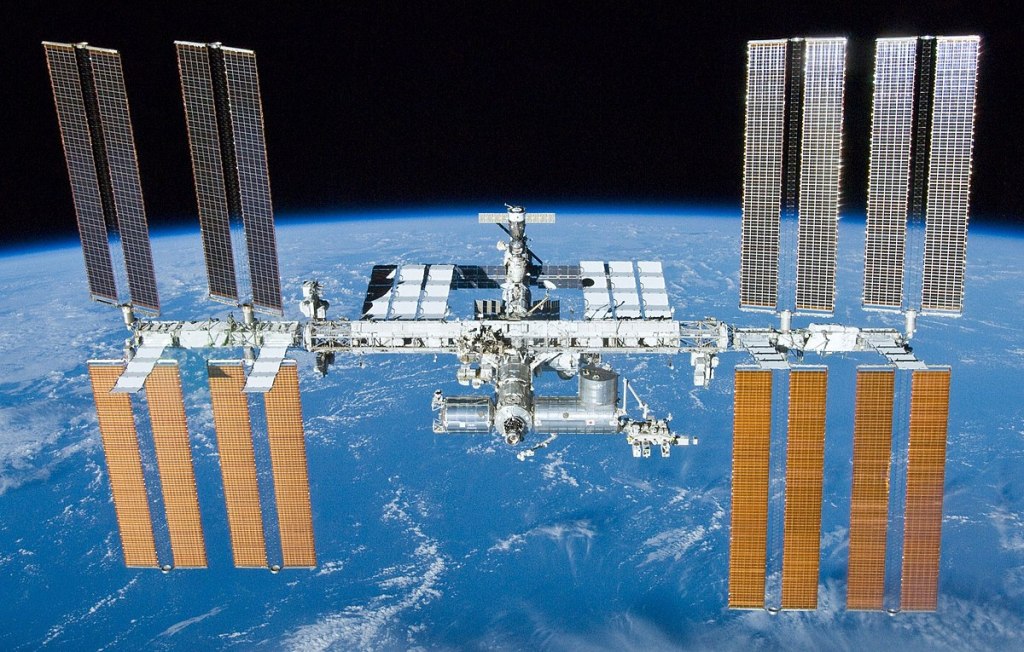
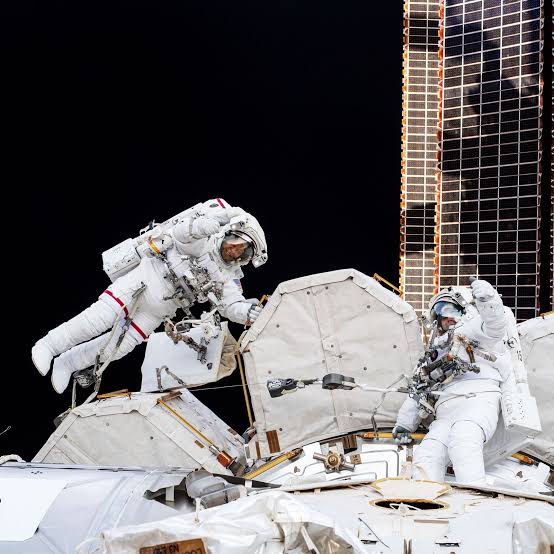
International Space Station is a modular space Station flying in low Earth Orbit since 22 years. It is a multinational collaboration project involving five participating space agencies: NASA (USA), Roscosmos (Russia), JAXA (Japan), ESA (Europe) & CSA (Canada). The station serves as a microgravity & space environment research laboratory in which scientific research is conducted in Astrobiology, Astronomy, Meteorology, Physics & other fields. It was launched on 22 November 1998. It’s Mass is 419,725 kg, Length 73.0 m (239.4 ft.) & Width is 109.0 m (357.5 ft.).

Pic-Credit

The ISS was originally intended to be a laboratory, observatory & factory while providing transportation, maintainance & a low Earth Orbit staging base for possible future missions to the Moon, Mars & Asteroids. However, not all of the uses envisioned in the initial memorandam of understanding between NASA & Roscosmos have been realised. The ISS was given additional roles of Serving commercial, diplomatic & educational purpose.

Pic-Credit

Some intersting facts about ISS:

. ISS flies around the world every 90 minutes, travelling at 5 miles per second.

. In the space of just 24 hours, the space Station makes 16 orbits of Earth, travelling through 16 sunrises & sunsets.

. It’s 375 ft. Long from end to end thats about the same as a football pitch.

. After the moon, the ISS is the second brightest object in our night sky, you don’t even need a telescope to see it zoom over your house.

. There are two bathroom on board. There’s also one gym, six sleeping quarters & a 360 degree bay windows on ISS.

Bathroom & Gym on ISS
Pic-Credit

. Six space ships can dock to the station at any one time.

. Astronauts have to work out for two hours a day while on board to help keep their muscles in space while in space.

. More than 50 computers control all the system on the station.

.The ISS weight about 420,000 kg that’s about the same as 320 cars.

By
Vishal Thakur
vishalthakur.art.blog
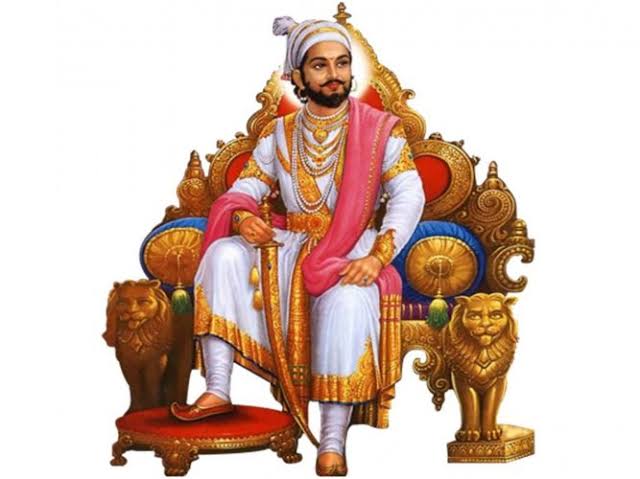
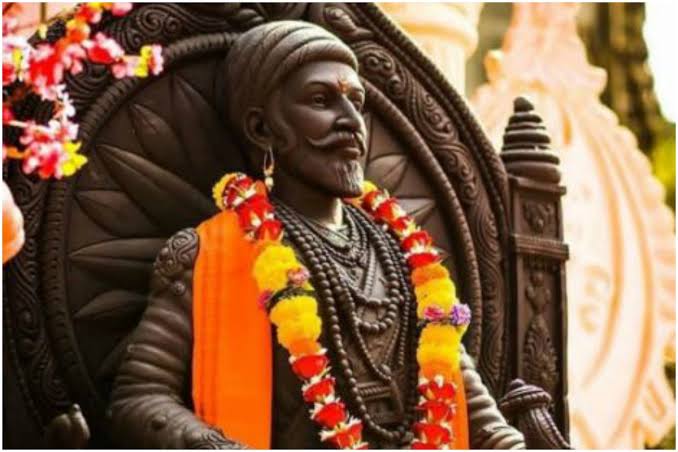
Chhatrapati Shivaji Maharaj – Founder of Swaraj

Pic-Credit

India is always been known for its prosperity. This is why it is called ‘Sone Ki Chidiya’. This is the reason the land of India faced many foreign Invaders. Mughal was one of them Invader. The Mughals wanted to take over all of India. They were also going to succeed in this, but at that time an Hero was born. Who created a new New hope in losing India. This was the hope of Swaraj. Today in this blog we are going to Tribute to Chhatrapati Shivaji Maharaj on his Birth Anniversary.

Pic-Credit

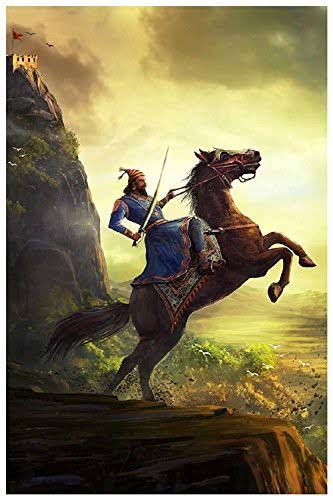
This is the story of 17th century when Mughal King Aurangzeb was the ruler of Delhi. At that time,the Mughals had occupied almost the whole of North India & used to spread their foot in South India. At that time an Hero was born on 19 January 1630 at Pune He was Chhatrapati Shivaji Maharaj. Shivaji Rao Bhonsle was founder of Maratha Empire his Capita was Raigad. Shivaji’s father Shahji Bhonsle was a Maratha general who was served the Deccan sultanates. Shivaji was devoted to his mother Jijabai. At this time Pune was in the princely State of Deccan sultan Adil Shah. Shivaji Rao was a Patriotic & fearless personality. His father was associated with Adil Shah so that when the right time comes, he can liberate the state. At that time Shivaji Maharaj was a viceroy of Pune. They didn’t have an Army. But even then, he made his army& started occupying the forts of Adil Shah. When Adil Shah was imprisoned, he took Shivaji’s father Shahji Bhonsle & his Brother Sambhaji Bhosle captive. When Shivaji came to know of this he wrote a letter to the Mughal emperor Jahangir by using his Intelligence. In which he told him about Adil Shah’s conspiracy against the Mughals. When Jahangir received this source,he ordered Adil Shah to leave Shivaji’s Father & brother & after this Adil Shah fled to East & After that Shivaji Maharaj establish Maratha Empire.

Pic-Credit

When Aurangzeb become King of Mughal emperor he wanted to take possession of South India. To accomplish this, he sent his uncle Ishiyant Khan with approx. 1.5 lakh Soldiers to attack the Pune. Ishiyant Khan kept watch over Shivaji for 3 years. One day Shivaji attacked Ishiyant Khan with only 350 Maratha Soldiers. In this attack Ishiyant Khan was ran out but he lost his fingers & Mughal army was scared . After this Aurangzeb attacked many times on Shivaji Maharaj but Shivaji Maharaj never lost any war. His dream to spread Swaraj was grew up day by day & he winning forts from Mughals. For which Shivaji Maharaj got titel ‘Chhatrapati‘ & he become Chhatrapati Shivaji Maharaj. Chhatrapati Shivaji Maharaj was dead on 3 April 1680 due to fever. But he left behind the Maratha Empire, which was able to give Freedom to India.

The Tulja Bhawani Sword

Pic-Credit

According to many believes Chhatrapati Shivaji Maharaj was a great devotee of Lord Bhavani & Lord Bhavani was happy from his worship. Lord Bhavani gave him a sword whom they didn’t lost a single war in his life. Now this sword is in London , Royal Collection trust of Royal Family of London.

By
Vishal Thakur
vishalthakur.art.blog
Natwarlal – A Clever Man

Pic-Credit

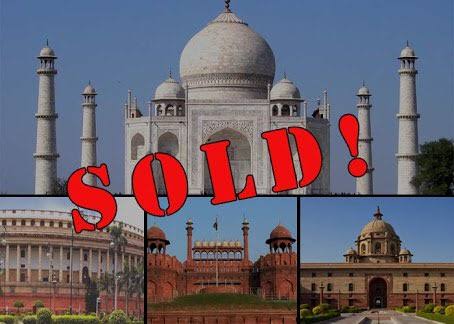
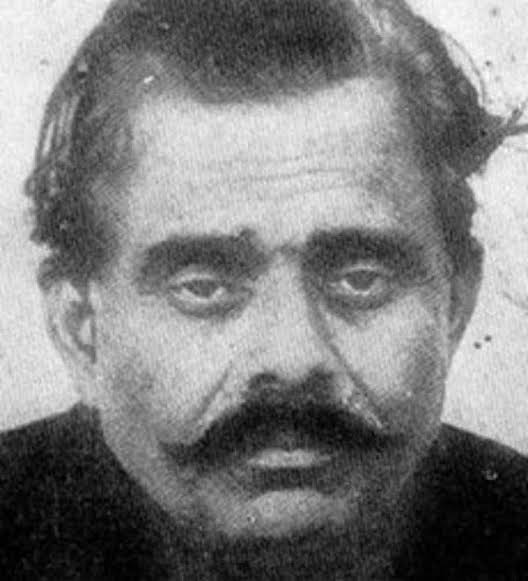
Natwarlal was a Indian Con man who sold Taj Mahal, Red Fort, Rashtrapati Bhavan & Parliament of India Several times. Yes, he sold these famous & Valuable Monuments several times & even after such big frauds, the police could never keep him in captivity. Today in this blog we will read about Natwarlal the Conman of India.

Pic-Credit

Natwarlal was born on 1912 in Siwan , Bihar. His original name is Mitilesh Kumar Srivastava. He was the older of two brothers. Once time Natwarlal was sent by his neighbour to collect the bank draft. When he reached bank he tried to copy his neighbour’s signature & he successfully copied his neighbour’s Signature. That time he thaught he could act as a forgery. From that day he continued to withdraw money from his neighbour’s account for a few days. When his neighbour got the Idea, by then he withdrawn 1000 Rs. from the account. After finding out , he went to Calcutta , complete his Graduation from Commerce & he also started work in stock market as broker.

Pic-Credit

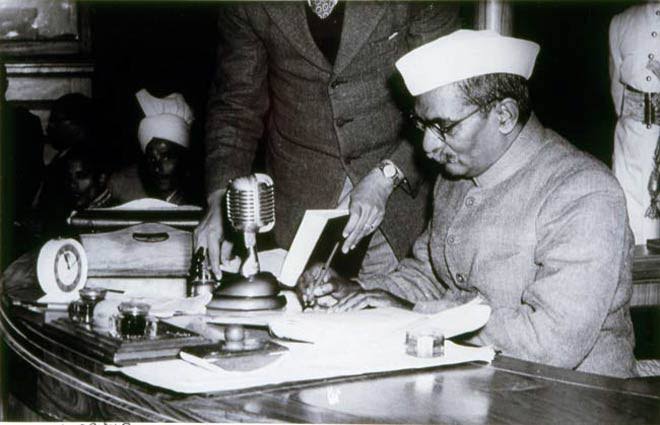
Once, President Dr. Rajendra Prasad came to the neighbouring village of Natwarlal. Where Natwarlal got an opportunity to show his art to the President. He copied President’s signature infront of President. The President Dr. Rajendra Prasad was very impressed by his art & offered him a job. But he refused to take the job. Because now he had a big weapon as the signature of the President. By now he had cheated many small but now he was thinking to doing something big. After that he cheated many native & Foreign Rich people by copying the signature of the President. In his lifetime he Sold the Taj Mahal 3 times, the Red Forte 2 times, The Rashtrapati Bhavan once & the Parliament of India once & that time there were also MP’s on it. He than 50 Pseudonym Natwarlal name was one of them. He search Rich people & in disguise would go to them & say them that the Government of India wants to sell this monument. Then he would make fake papers of that monument & signed these paper with President’s fake signature & sold that monument.

Pic-Credit

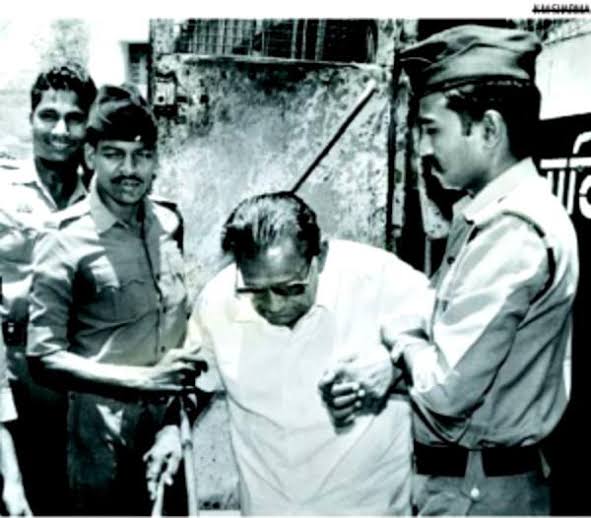
He was arrested 9 times in his life by police. But every time he successfully escaped from the police. In 1966 he was last time arrested by police at the age of 84 years. That time he using wheelchair but therefore he was successful to escape from the police at New Delhi Railway station & then he never seen after. In 2009, a petition was filled by Natwarlal’s lawyer in the court saying that Natwarlal died on 25 July 2009, so the pending cases against him should be dismissed. But no firm evidence or government documents are available about his death.

By
Vishal Thakur
vishalthakur.art.blog
Jauhar : Fire of Honour

Pic-Credit

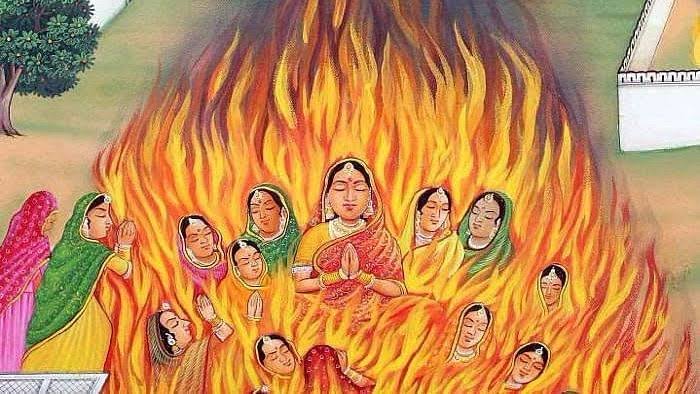
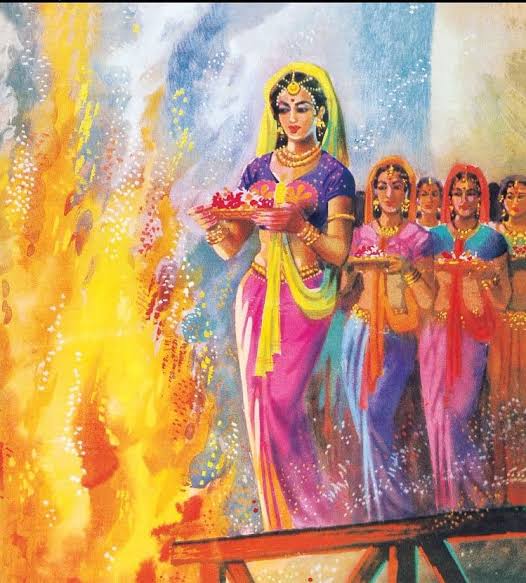
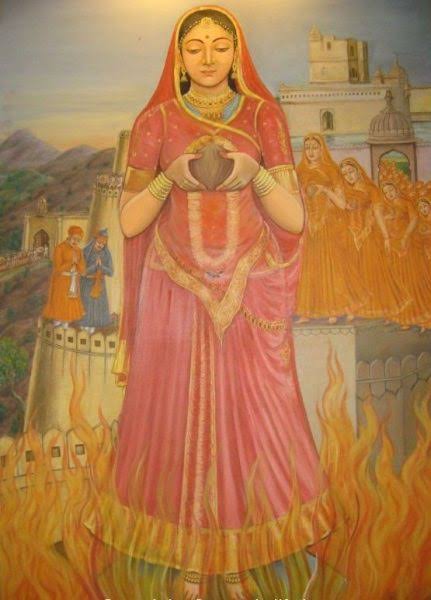
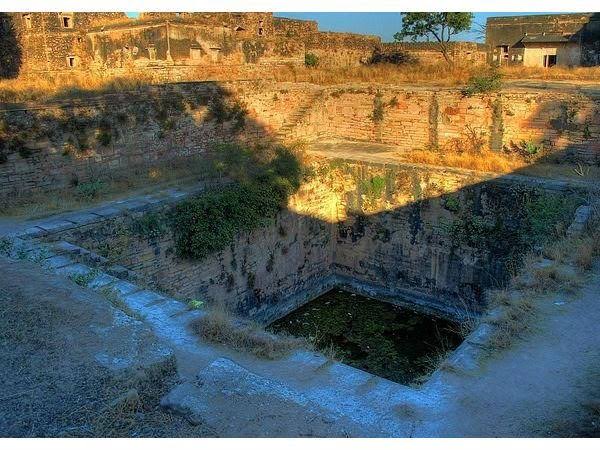
Jauhar is the custom which was performed by Rajput Queens for her Honour, Pride & Dignity. In this practice Queens sacrifice by jumping into the burning pool of fire to protect their pride & Honour. When Rajput Warriors go in battle ground in do or die condition then their wives prepare herself for Jauhar & after her husband was martyred in battlefield, she used to jump in the fire to save her Pride. So that the enemy does not catch them & their honour is not lost. This Practice was repeated three times in Chittorgarh fort. Today in this blog we will read about all the Jauhar’s that took in the chittor fort.

1. First Jauhar of Chittor

Pic-Credit

The first Jauhar of Chittor fort was occurred in 1303 when Allauddin Khilji attacked chittor. At this time the ruler of Chittor was Rana Rawal Ratan Singh. His wife Queen ‘Padmavati‘ was very beautiful & intelligent. Her beauty was discussed in all over the world. When Allauddin Khilji heard the beauty gossips of Queen ‘Padmavati‘, he thaught of making her his queen. For which he arrested Rana Ratan Singh by deceit in Delhi & demanded Queen Padmavati in return. But Queen ‘Padmavati‘ got out Rana Ratan singh from Delhi with her Courage & Intelligence. After failing his trick Khilji attacked chittor fort with a large army. In this war Rana Ratan Singh was killed. After the death of Rana Ratan Singh Queen ‘Padmavati’ sacrifice with 16 thousand queen by jumping in pool of fire to protect her honour from enemy & Khilji’s dream was only a dream, even after so many efforts, he could not even see the face of Queen ‘Padmavati‘ in his whole life.

2. Second Jauhar of Chittor

Pic – Credit

2. The second Jauhar of Chittor

The second jauhar of Chittor was occurred in 1535. After the death of Rana Sanga the Rajput army was significantly weakened. Which was benefited by Bahadur Shah, the ruler of Gujrat in 1935. In 1935 Bahadur Shah attacked chittor fort with large army. In this war where Bahadur had lakhs of soldiers & weapons, the same rajput had 30-40 thousand soldiers & they not yet emerged from the mourning of Rana Sanga’s Death. During this war Queen ‘Karnavati’ sent a letter to Humayun for help. As Humayun assured her of eligibility of help at the time of problem. But at that time Humayun refused to help Queen Karnavati & after that Queen Karnavati
did Jauhar with 13000 queen by jumping in pool of fire after seeing Rajput army defeated in battle.

3. Third Jauhar of Chittor

Jauhar Kund
Pic-Credit

The third Jauhar of Chittor is also known as Fatal (Ghatak) Jauhar. The third Jauhar was occurred in 1567 when Akbar seige Chittor fort with overall 1 lakh soldiers. Due to chittor fort being very strong & high, the Mughal army could not directly attack the fort. Therefore, Akbar besieged the chittor fort with a large army & forced Rajput army come to the battlefield. In this war, Rana Uday Singh was sent out from chittor fort with his son Pratap Singh & his family so that there would be hope of taking back fort in future. After this, Rajput army with 8000 soldiers landed in the battlefield to fight with 1 lakh warriors. In this war 8000 Rajput warriors killed 15-20 thousand Mughal Soldiers & gave their sacrifice. The Best warriors of Mewar was martyred in this war. Some of them are – Chundawat Sigh Rawat, , Jaimal, Patha, , Kalla & Sanda Singh. After the Rajput army was martyred in battle, Queen Phoolkanwar with thousands queens did Jauhar & then akbar captured chittor fort & killed aprrox. 30,000 innocent villagers.

  • By
  • Vishal Thakur
  • vishalthakur.art.blog

Unsung Freedom Fighters

Pic-Credit

India is an Independent Country. Today we have world’s largest Democracy. Today we have freedom to do anything. But it was not always. Many people Sacrificed in liberating India. Of which we know about many people, but many such revolutionaries about whom we do not know anything.Today, in this blog, we will read about some of the best freedom fighters.

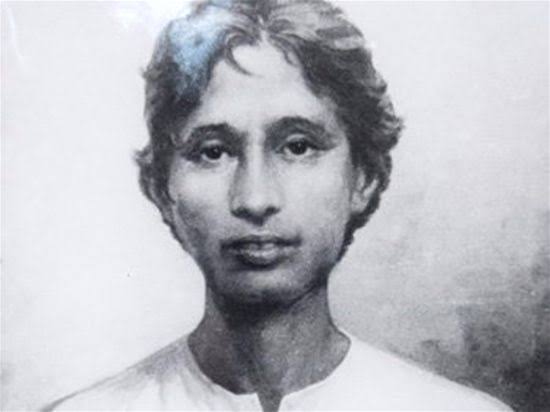
1. Khudiram Bose

Pic-Credit

Bose’s tale of valour is one that simultaneously invokes pride as well as pity for perhaps the same reason. He was 18 years old, when he was sentenced to death for his role in the country’s freedom struggle.

In 1908, Bose was appointed to kill Muzzaffarpur district magistrate Kingsford, the Chief Magistrate of Calcutta Presidency. Kingston had become unpopular for passing harsh and cruel sentences on young political activists. He was also notorious for inflicting corporal punishment on them. Thus, when he was transferred to Muzaffarpur, Bose was sent to there to kill him.

On April 20, 1908, Bose threw a bomb at a carriage, believed to be carrying Kingsford, outside the European club. But the carriage was occupied by the wife and daughter of barrister Pringle Kennedy, a leading pleader at the Muzaffarpur Bar. An extra police force was deployed to find the perpetrator. Bose, in the meantime, had walked 25 miles and reached Vaini railway station. He was arrested by two officers there and hanged to death on August 11, 1908.

2. Peer Ali Khan

Pic-Credit

Peer Ali Khan was part of the 1857 rebellion against the British. He was born in Muhammadpur, in Azamgarh district of Uttar Pradesh. When he was seven he ran away, and arrived in Patna where he was given shelter and refuge by a zamindar who brought him up along with his son and educated him.

The start: Peer opened a book shop in Patna, which became the meeting point for freedom fighters to make plans to overthrow the British. In fact, the book shop was the point where everyone kept in contact not only among themselves but with Indian soldiers in the British army too. Ali conducted regular campaigns against the British, and became an integral part of the rebellion of 1857. While he was plotting with the soldiers of the Danapur Cantonment, two letters from them fell into British hands. They became aware of Peer Ali’s involvement.

Ali realised what had happened, planned to attack the British and gathered those interested. He collected 50 guns with the help of his co-worker, Maulvi Mehdi and distributed them among his group members.

On July 4, 1857, Ali and 33 followers were arrested. Most of them were hanged the next day without a hearing. Peer Ali was brutally tortured and cross-examined. On July 7, he was hanged.

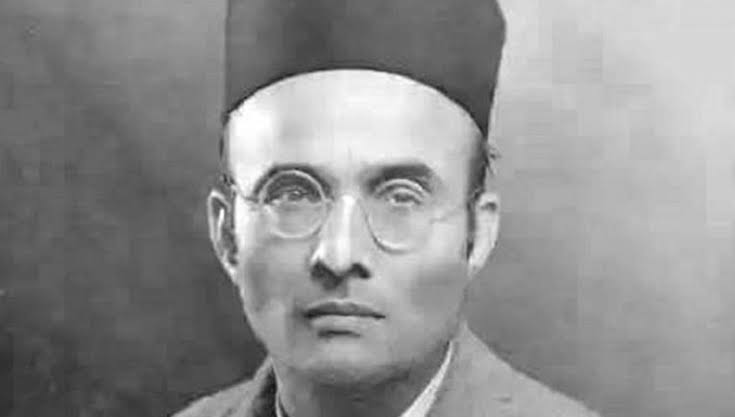
3. Veer Savarkar

Pic-Credit

Veer Savarkar was a great revolutionary in the history of India’s struggle of independence. He was a great orator, scholar, prolific writer, historian, poet, philosopher and social worker. His actual name was Vinayak Damodar Savarkar. He was born on May 28, 1883, in the village of Bhagpur near Nasik.

The British Government withdrew Veer Savarkar’s graduation degree for his involvement in the Indian freedom movement . In June 1906 he went to London to become Barrister. He wrote a book “The Indian War of Independence 1857” on India’s struggle of independence, which was banned by Britishers. When he was in London, he encouraged the Indian students in England against the British colonial masters. He supported the use of arms in India’s struggle of independence.

He was arrested in London on 13 March 1910 sent to India for trial. However when the ship carrying him reached Marseilles in France, Savarkar escaped but was arrested by the French Police. On 24 December 1910, he was sentenced to jail in the Andamans. With his efforts a library was established in the jail. He even tried to impart education to the illiterate convicts in the jail. By the demand of great leaders like Vithalbhai Patel, Tilak and Gandhi a Savarkar was released and brought back to India on May 2, 1921.

Veer Savarkar was shifted to Ratnagiri jail, and then to the Yeravada jail. The book ‘Hindutva’ was written in the Ratnagiri jail. He was released from jail on January 6, 1924 and he later founded the Ratnagiri Hindu Sabha to preserve ancient Indian culture and worked in the direction of social welfare. Later he joined Swaraj Party, formed by Tilak and founded the Hindu Mahasabha, a separate political party and was elected its President. The party opposed the formation of Pakistan. The assassin of Gandhiji – Nathuram Godse was a member of the Hindu Mahasabha. Veer Savarkar was charged by the Government of India in the Mahatma Gandhi assassination case but was acquitted by the Supreme Court of India. At the age of 83 on February 26, 1966 he passed away.

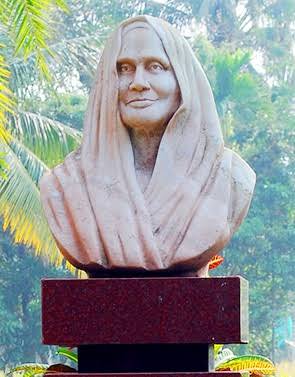
4. Matangini Hazara

Pic-Credit

Hazra was part of the Quit India Movement and Non-Cooperation Movement. During one procession, she continued to advance with the Indian flag even after being shot thrice. She kept shouting “Vande Mataram” .

5. Madan Lal Dhingra

Pic-Credit

Indians were the ultimate revolutionaries of the freedom struggle. The credit for turning the spark of Indian independence into fire goes to the great martyr Madan Lal Dhingra. Even though there was no such tradition of patriotism in Madan Lal Dhingra’s family, he himself was painted in the color of patriotism. He was studying in England where he shot and killed a British officer named William Hut Curzon Wylie. He was indicted on July 22, 1909 for the murder of Curzon Wyllie. Madan Lal Dhingra said openly in the court that “I am proud that I am dedicating my life.” This incident is one of the first events of the Indian independence movement in the twentieth century.

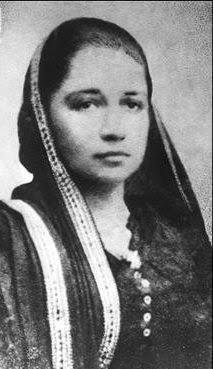
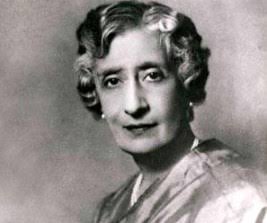
6. Bhikaji Cama

Pic-Credit

Although there are numerous roads and buildings named after her around the country, only few know who she was and what she did. Not only was she a part of the Indian Independence Movement, she was also a figure for gender equality. She donated most of her personal effects to an orphanage for girls. She also unfurled the Indian flag at the International Socialist Conference at Stuttgart in Germany, 1907.

7. Raj Kumari Gupta

Pic-Credit

She and her husband worked with Mahatma Gandhi and Chandrashekhar Azad and she player a crucial role in the Kakori case as well. She was in charge of supplying revolvers to those involved in the operation. Raj Kumari hid the firearms in her undergarment and went to deliver them, with her 3 year old son alongside. Ironically though, on being arrested, she was disowned by her marital home.

By
Vishal Thakur
vishalthakur.art.blog
Design a site like this with WordPress.com
Get started