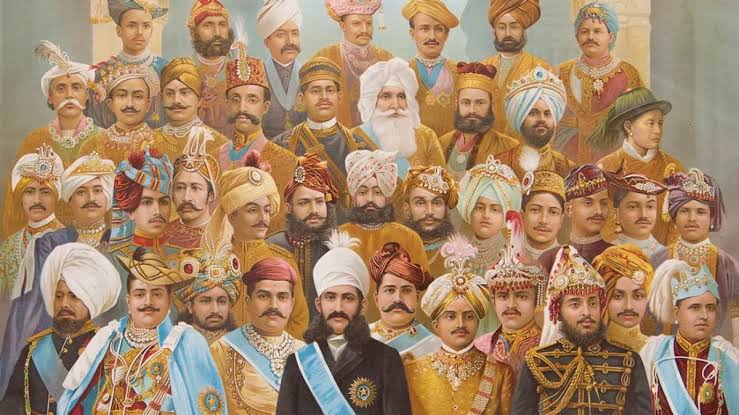
India is the land of brave Warriors. There have been many such Heroes on the blessed land of India who have presented unique examples of his Bravery time to time with their strength & might. We know most of brave heroes. Bur there are most of brave heroes whom we don’t know. In this blog we study about that unsung Warriors.
1. Bappa Rawal
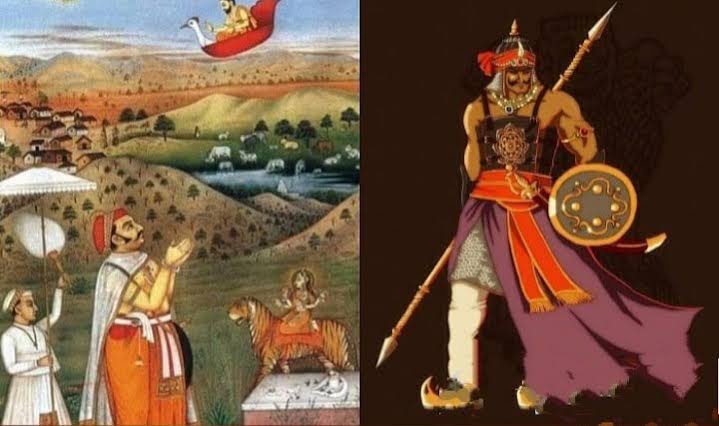
Bappa Rawal (reigned 734–753) was a majestic ruler of the Sisodia dynasty of Mewar. The princely state of Udaipur (Mewar) was founded by the Sisodia Rajputs in the eighth century. Bappa Rawal was also known as ‘Kalbhoj’. The people were impressed by Bappa Rawal’s works like protection, patriotism, etc., and decorated it with the title ‘Bapa’. Bappa Rawal was one of the Great & Strong king of India. In 728 he Captured Chittorgarh form Maan Maurya from Maurya Dynasty & established Guhil Dynasty which later came to be known Sisodiya Dynasty in which there were many brave and majestic kings like Rana Kumbha, Rana Sanga and Maharana Pratap who presented unique examples of Bravery, Strength & Patriotism.
Bappa Rawal is one of the great rulers of India who not only successfully stopped the invasion of Arab Muslim invaders on India, but also defeated Arabs many times in war and drove them to Arabia. Due to Bappa Rawal and warriors like him, India remained safe from the invasion of Arabs for the coming 400 years. Historians believe that Vappa Rawal was also called Bapa, his real name was Kalabhoja (Kalbhojaditya). He was born in the Guhil Rajput dynasty and was the ancestor of great kings like Rana Sanga and Maharana Pratap. Rawalpindi city of Pakistan was named after him. Bappa got the Eklingji temple built for Lord Shiva in Mewar.
2. Kondaji Farzand
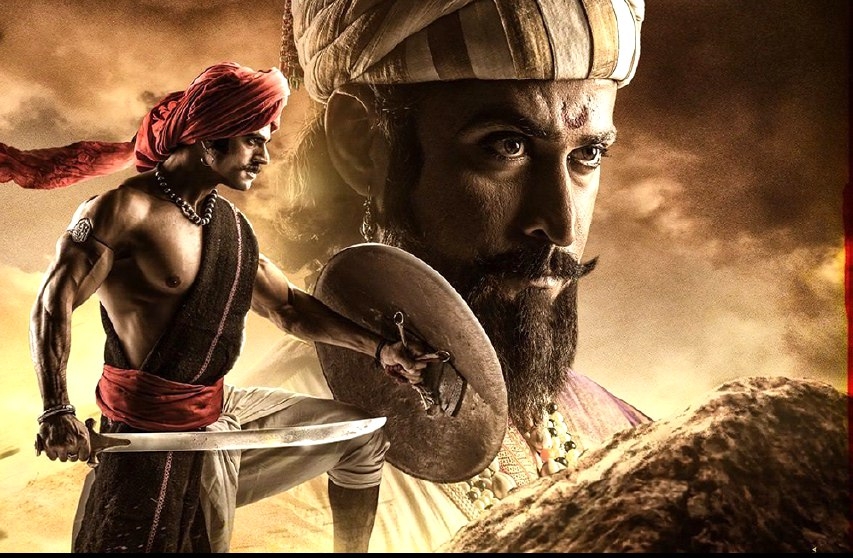
What if I told you, an army of 60 man defeated an Army of 2500? It sounds impossible but it is true. This impossible task has been done in the history of India. The name of the warrior who did this Great and impossible task was Kondaji Farzan. Kondaji Farjan was one of the chief ministers of Chhatrapati Shivaji Maharaj. Chhatrapati Shivaji Maharaj had to pay a big price in the form of Tanaji Malusare for conquering Kondhana Fort because of which he was very sad. But after winning Kondhana, Panhal fort became very important for Chhatrapati because Panhal fort was called the gate of Deccan. Whose leadership he himself thought of taking but all the ministers refused him to do so. After which Kondaji Farzand talked about taking this responsibility. But Chhatrapati did not want to lose his other special soldiers. But after the insistence of Farzand, having confidence in his ability, the Maharaj agreed and asked Farzand that how much army do you want 1000, 1500 or 2000. Then Farzand replied Maharaj only 60 soldiers. Chhatrapati scolded Farzand for his bravery and gave him 60 soldiers. Farzand prepared those 60 soldiers for war and defeated Adil Shahi’s 2500-3000 army in just 1.5 hours and won the fort of Panhala and gave it to Chhatrapati Shivaji Maharaj.
3. Raja Bhoj
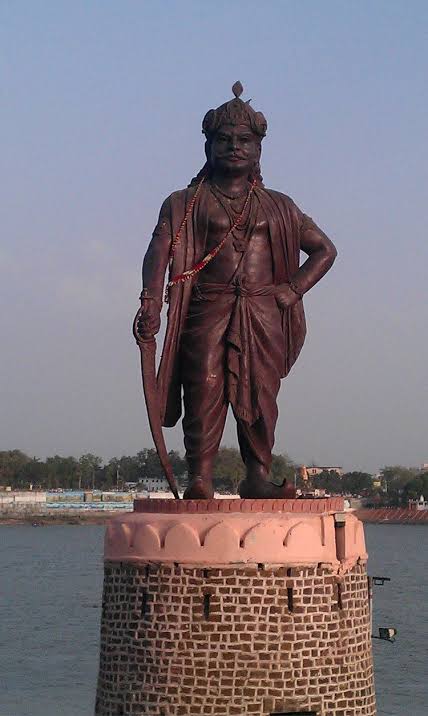
Raja Bhoj was the one of the most Celebrated Kings of India. He was belong to Parmara Dynasty. Raja Bhoja was a descendant of Emperor Chakravarty Vikramaditya. At the young age of fifteen, he was anointed on the throne of Malwa. His kingdom encompassed the Malwa region in central India. At the peak of his reign, Raja Bhoj’s kingdom extended from Chittor in the north to Konkan in the south, and from Vidisha in the east to the Sabarmati River in the west. Raja Bhoj built many temples during his time. Bhojpur is situated near Bhopal after the name of Raja Bhoj. He had also built the Bhojshala of Dhar. It is said that he had established the present capital of Madhya Pradesh, Bhopal, which was earlier called ‘Bhojpal’. In his name, the practice of giving the title of Bhoj also started, which was given to the kings who did great work like him.
When Mahmud Ghaznavi (971-1030 AD) destroyed Somnath in Gujarat, according to historian E. Lenpool, this sad news took a few weeks to reach the Shaiva devotee Raja Bhoj. According to the Turkish writer Gardiji, he was enraged by this incident and attacked Ghaznavi in 1026 and that brutal attacker fled to the desert of Sindh. Then Raja Bhoj gathered a combined army of Hindu kings to avenge Somnath by killing Ghaznavi’s son Salar Masud in a one-month battle near Bahraich and then built the Bhojpur Shiva temple located 32 km from Bhopal between the period 1026-1054. He established Somnath in Malwa.
4. Raja Surajmal
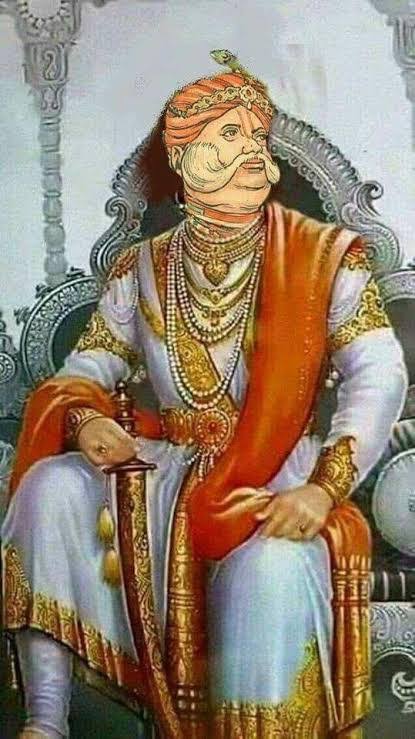
Maharaja Surajmal was one of the great king of India Maharaja Surajmal never lose any battle in his life. He was born on 13 February 1707.This is the same date in history on the day when Aurangzeb died. King Surajmal is taken with great pride among the kings who have a special place in north India for giving a befitting reply to the invasion of the Mughals.Surajmal had become everyone’s favorite in Braj Pradesh due to his bravery from adolescence. Maharaja Surajmal got throne on 22 May 1755. The Muslim rulers of Delhi were the reason for the troubles that came upon Braj in about six hundred years from the Sultanate period to the Mughal period, due to this there was a feeling of revenge, anger and violence for these rulers in Braj, which is evident from the rebellions carried out. The military officers of the Delhi administration were plunderers because of their bigotry. Things had changed during the time of Maharaja Surajmal. The brave and courageous men here began to consider themselves capable of attacking an attacker, not only in self-protection.
The Third Battle of Panipat took place on 14 January 1761 between the Marathas and Ahmad Shah Abdali. More than half of the one lakh Maratha soldiers were killed. Marathas neither had full ration nor did they have any distinction of this area, what war would the hungry soldiers for many days? If Sadashiv Rao did not quarrel with Maharaja Surajmal over a small matter and made him a partner in this war, then today the picture of India would have been different. Maharaja Surajmal nevertheless paid the right to friendship. When thirty to forty thousand Marathas started going back after the war, they were in bad condition by the time they reached the area of Surajmal. Wounded, hungry and thirsty, they were all on the verge of dying, and from above even in the severe winter, half did not even have woolen clothes. For ten days Surajmal kept him in Bharatpur, got him medicine and liquor and arranged for food and clothes. Maharani Kishori also appealed to the public and collected grains etc. It is heard that some twenty lakh rupees were spent in his service and water. On the way, each person was given one rupee, one ser of grain and some clothes etc. so that he could meet the cost of the way.
- By
- Vishal Thakur
- vishalthakur.art.blog
 Vishal Thakur