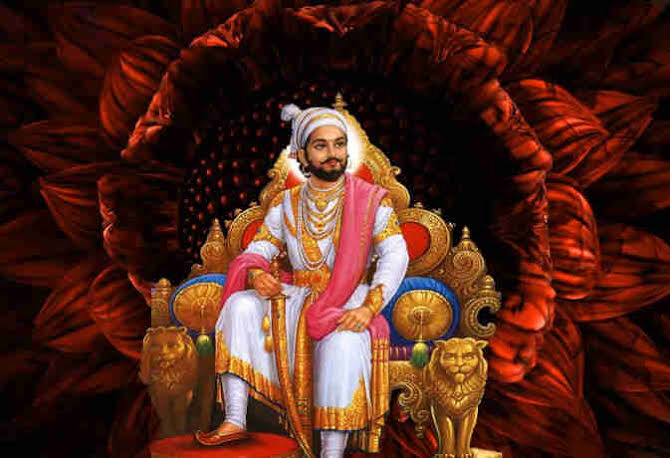
‘INDIA‘ the motherland of mighty warriors. This land has given birth to many brave souls. The history of India has been full of blood and sacrifice. India has faced many invasions in its history & also seen many kingdoms & Empires. Out of these empires, the Maratha Empire spread all over India in the 18th century. The Maratha Empire symbolized the end of the brutality of the Mughal Empire. The founder of this empire was a great, brave, fearless, kind king & a warrior – ‘Chatrapati Shivaji Maharaj‘. Shivaji Maharaj was a very powerful person & his personality was very impressive. But a single person cannot build such a big empire. For this he needs some brave and honest companions. Similarly, Shivaji Maharaj also had some very brave and honest companions with whom he built such a huge empire & defeat Mughals. ‘Baji Prabhu Deshpande‘ was one of those comrades on whose sacrifice such a huge empire was built. So let’s read today about that great warrior who saved Shivaji Maharaj’s life by sacrificing himself.
Pic-Credit
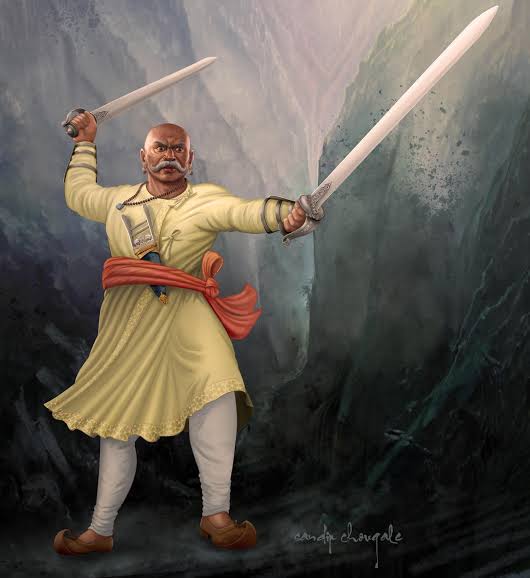
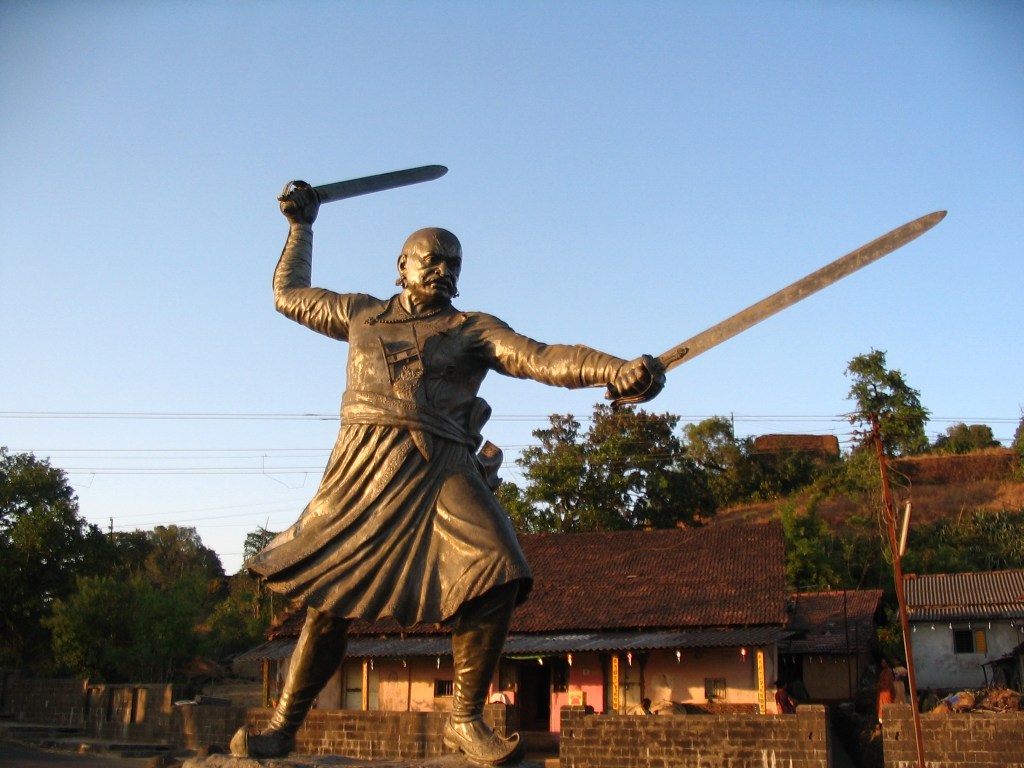
This is the story of the time when the Mughals had fully established their foothold in India. The Mughals were expanding their empire and no one had the courage to stop them. There were some provinces which were fighting against the Mughals but none of them were as powerful as the Mughals and the provinces that were powerful were under the Mughals and at the same time in the year 1630, a child full of courage, bravery, sacrifice, kindness and fearlessness was born in Shivneri fort. who later became the founder of Swaraj, ‘CHATTRAPATI SHIVAJI MAHARAJ‘. This is the story of that brave hero on whose sacrifice the foundation of Swaraj and the Maratha Empire was laid. This is the story of a man who sacrificed his life to save whose great person life, who raised a new hope in slave India. This is the story of a mighty warrior whom the enemies were afraid to even talk about. This is the story of ‘BAJIPRABHU DESHPANDE‘. Baji Prabhu was about 15 years older than Chhatrapati. Since childhood, he had a lot of anger towards the Mughals. Baji Prabhu’s father is employed in the army of Shahajiraje, the father of Chhatrapati Shivaji Maharaj. At that time, the Deccan province was divided into two parts, which was Konkan and Deccan. Both these provinces were ruled by Sultan Adilshah of Bijapur. Adil Shah made only his most trusted persons as vassals of the jagirs. Similarly, Krishnaji Deshmukh was made the Jagirdar of Hades Jagir and Baji Prabhu’s father became the Diwan of this Jagir, after his death Baji Prabhu and his brother Fulaji became the Diwan of this estate.
Pic-Credit
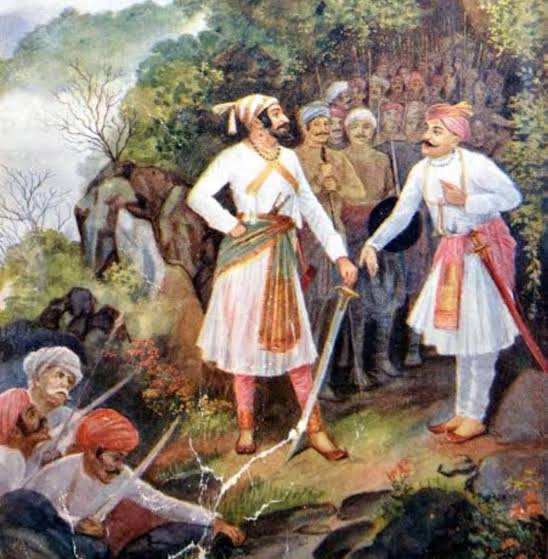
On the one hand, where Bajiprabhu became the dewan of Hades Jagir, on the other hand, Chhatrapati Shivaji Maharaj started merging all the jagirs of Adilshahi into Swaraj. Krishnaji Deshmukh, the vassal of Hades Jagir, had enmity with Shivaji’s father Shahaji, which he continued with Shivaji Maharaj as well. At first, Shivaji Maharaj tried a lot to convince Krishna ji Deshmukh to merge his jagir to Swaraj to make India free from invaders , but when he did not agree, then Maharaj along with Tanaji, Awaji and Yesaji attacked the Rohida fort to teach a lesson to that traitor & they killed Krishna ji deshmukh. As soon as Krishna ji died, they all started feeling happy that now Hades Jagir is also a part of Swaraj, but then a voice came from behind, this could not have happened if the diwan of this manor had been there. This was the voice of Bajiprabhu Deshpande. Baji Prabhu stood ready to fight in front of Shivaji Maharaj with a sword in his hands. Baji Prabhu was about to cross. At the same time Maharaj put back his Tulja Bhavani sword and said, this sword was not given to me by Bhavani Maa to attack my brothers but to give freedom to Mother India. On the persuasion of Shivaji Maharaj, Baji Prabhu understood & He joined Swaraj.
Pic-Credit
When Shivaji Maharaj killed Afzal Khan, there was a stir in the whole of Bijapur & Sultan Aadilshah was stunned. Because killing a powerful person like Afzal Khan was not an easy thing. To take revenge, Adil Shah sent an army of about 4-5000 to Panhala fort to capture Shivaji Maharaj. In this army, Adil Shah sent his bravest soldiers together. In which rustam e hind, Sidhi johar & Fazal Khan was main. At that time there were only 600 soldiers with Maharaj in Panhala fort. Soon Siddhi Jauhar surrounded the entire fort with 4000 soldiers. It was not easy to leave the fort in front of such a large army. At that time Bajiprabhu and his younger brother Phulaji took the responsibility of getting Maharaj out of there. Because if anything had happened to Maharaj, the dream of Swaraj would have remained a dream. Keeping this in mind, a strategy was made under which Maharaj was removed from there with 300 soldiers and with the remaining 300 soldiers, Bajiprabhu agreed to fight.
Pic-Credit
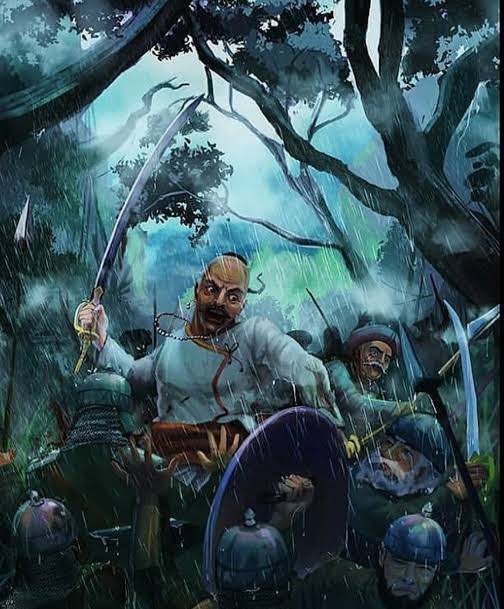
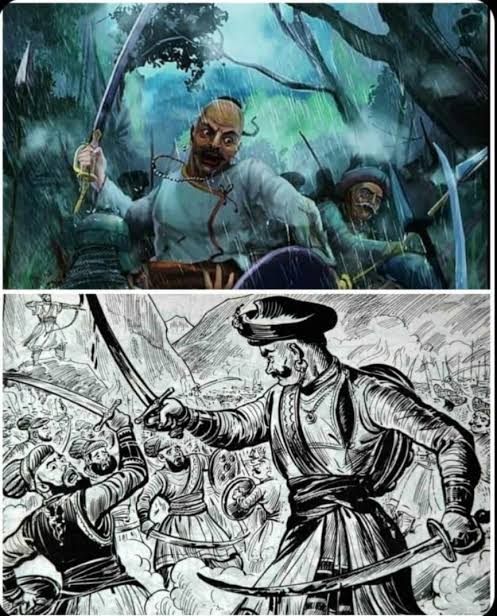
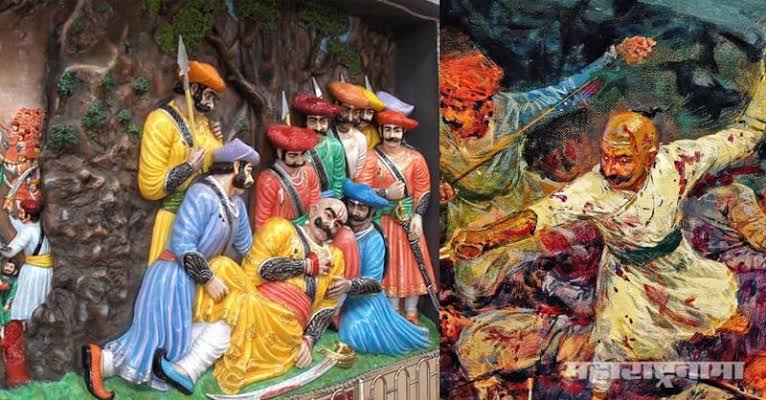
Baji Prabhu told Maharaj that as soon as you reach Rajgarh, give us a signal by firing cannon 3 times. As soon as Shivaji Maharaj came out of the Panhala fort, the enemy’s army reached the narrow road named Ghodkhind in search of him. Maharaj had crossed Ghorkhind and went to its other side and Baji Prabhu was standing ready with his army. As soon as the army proceeded to cross the road, Baji Prabhu Deshpande attacked them with his army of 300. This attack of Baji Prabhu was so powerful that the army did not get a chance to recover. One by one the heads were being cut off. He was completely bled. Baji Prabhu had been fighting for 18 hours but it was impossible to stop him. When Baji Prabhu was not in anyone’s control, the enemy army fired at him with a gun. Due to which he fainted and fell down.
Pic-Credit
When Bajiprabhu regained consciousness, he asked, did the sound of cannons come, but his companion said that no, the sound of cannons has not yet come, so he again stood up with the sword and started fighting again. Baji Prabhu was completely covered in blood. He was also badly injured due to the bullet. Then suddenly the sound of cannons was heard in his ears. He understood that Maharaj had safely reached his fort. On hearing the sound of cannons, Bajiprabhu along with 300 Marathas Martyred. Baji Prabhu saved the life of Chhatrapati Shivaji Maharaj by sacrificing, due to which later India got freedom from Mughals.
The result of this war was that the feet of the Bijapur Sultanate were uprooted from India. And to compete with the Mughals, an empire like the Maratha Empire stood. It is our misfortune that we know all about those Mughals who destroyed our heritage but But we do not know those brave souls who saved India by sacrificing their lives. Because of whom we are able to celebrate our festivals & do worship freely today.
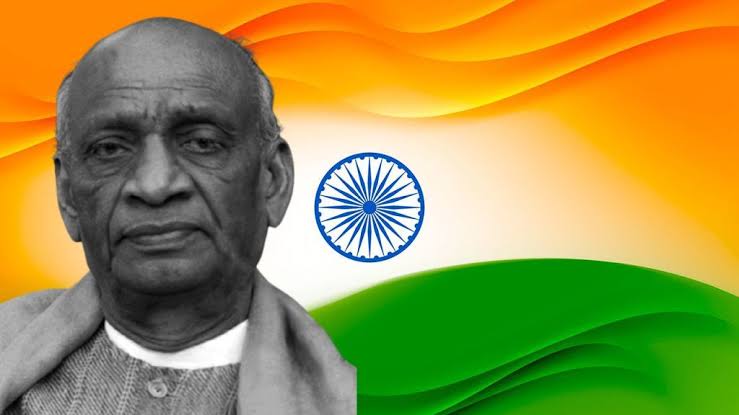
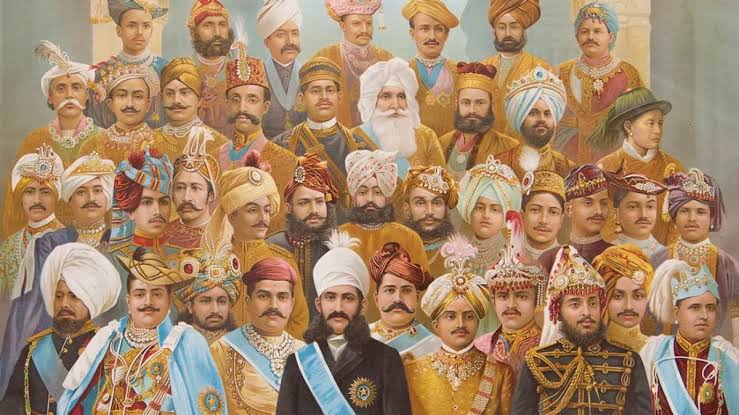
India has always been a peace loving country. But its beauty, wealth and prosperity attracted the attention of many invaders. Due to which India faced many invaders attack. Britishers were one of these invaders. The Britishers came to India for the purpose of trade but they slowly started interfering in the politics of India and spread their rule all over the India. The British were very cruel rulers. They not only exploited the citizens of India but also looted India for 200 years. India 200 years to get independence from the British and India became independent on August 15, 1947. But the problem was not over yet. As soon as the British left, India was divided into 584 princely states. Every king wanted independent princely state. This problem was big before India. 584 princely states were to be united to make a Nation. As the British had broken India in two countries, some princely states did not want to come with India and some wanted to remain independent. In such a situation, the work of Unite India was done by a great man who was Sardar Vallabhbhai Patel. Sardar Vallabhbhai Patel united 584 princely states and created a united India. So let’s read today about such a great man, because of whom India is such a big country today, we are moving on the path of progress today.
Pic-Credit
Sardar Vallabhbhai Patel was born on 31 October in Nadiad town of Kheda district of Gujarat. His father’s name was Jhaverbhai Patel and mother’s name was Ladba. Sardar Patel had 5 siblings. The names of his four brothers were Sambhai Patel, Narshibhai Patel, Vithalbhai Patel, Kashibhai Patel and his Sister name was Dahiben Patel. Sardar Patel’s early education was done in Gujarat. In the year 1893, at the age of only 16, he was married to Jhaverba Patel. His son’s name was Dhyabhai Patel and daughter’s name was Maniben Patel. Being married at such a young age, he passed class X at the age of 22. Patel refused to study law because of the bad condition of the house & left home and started living in Godhra with his wife. In the year 1909, his wife was caught in the disease of cancer and she died. After the death of his wife, he started living very sad. Sardar Patel always wanted to become a barrister, due to which he stayed away from his family for many years. Sardar Patel started his law studies and obtained his law degree from Middle Temple Inns of Court, London. He returned to India and started practicing law.
Pic-Credit
Inspired by the ideas of Mahatma Gandhi, Sardar Vallabh Bhai Patel participated in the freedom movement of India. Sardar Patel’s first and biggest contribution to the freedom movement was in the Kheda struggle in 1918. The Kheda division (division) of Gujarat was in the grip of severe drought in those days. The farmers demanded huge tax exemption from the British government. When this was not accepted, Sardar Patel, Gandhiji and others led the peasants and asked them not to pay taxes. In the end the government bowed down and tax relief was given that year. This was Sardar Patel’s first success. After that Bardoli Satyagraha was took place in the year 1928 in which Sardar Patel played a major role. The Bardoli Satyagraha was a major peasant movement that took place in Gujarat in the year 1928 during the Indian freedom struggle, led by Vallabhbhai Patel. At that time the provincial government had increased the rent of the peasants up to thirty percent. Patel strongly opposed this rent increase. The government took drastic steps to crush this Satyagraha movement, but was finally forced to accept the demands of the farmers. A judicial officer, Bloomfield and a revenue officer, Maxwell, after examining all the cases, held the 22 per cent hike in rent wrong and reduced it to 6.03 per cent. After the success of this Satyagraha movement, the women there conferred the title of ‘Sardar’ to Vallabhbhai Patel. Explaining the interrelationship of the peasant struggle and the national freedom struggle in the context of the Bardoli peasant struggle, Gandhi said that every such struggle, every effort is bringing us closer to Swaraj and this struggle directly helps us to reach the destination of Swaraj can prove to be more helpful than struggle for.
Pic-Credit
After these two successes, Sardar Patel was fully associated with Gandhiji. Sardar Patel was a complete companion of Gandhiji in the non-cooperation movement and left the foreign clothes and adopted Khadi clothes. After which Sardar Patel was given the Presidenship of Congress in 1922, 1924 and 1927. Due to the efforts and sacrifices of the revolutionaries, India became independent on 15 August 1947. But the problem was not over yet. As soon as the British left, India was divided into 584 princely states. Every king wanted independent princely state. This problem was big before India. 584 princely states were to be united to make a Nation. As the British had broken India in two countries, some princely states did not want to come with India and some wanted to remain independent. But Sardar Patel intelligently merged all the 584 princely states into India. The princely state of Hyderabad, which was not ready to join India, was merged with India by force of army by Operation Polo.
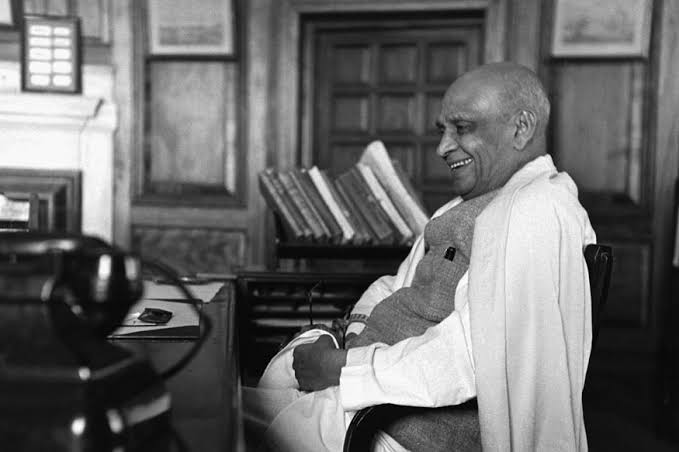
After independence, in the presence of Gandhiji, elections were held for the post of Prime Minister in the Congress in which Sardar Patel got the highest number of votes but Gandhiji wanted Pandit Jawaharlal Nehru to be the Prime Minister because he had a good hold on English. He had put the matter of Congress in front of the Britishers many times. Sardar Vallabhbhai Patel had great respect for Gandhiji due to which he relinquished the post of Prime Minister & took over as the first Deputy Prime Minister and Home Minister of the India. Today if we are citizens of united India, then the only reason for this is only Sardar Vallabhbhai Patel, who united all the princely states and created a united India.
India is not just a country but a living soul. Whose heart beats in its 130 crore people. This country is breathed by its 130 crore population and feels everything. There is hardly any other country in this world whose people call their land & country mother. india is a diversified country where people from different religions, regions, languages, cultures & society lives together. Today we are going to celebrate Azadi ka Amrit Mahotsav , which means today we are going to complete 75 years of our independence. Today we all can live life in India with complete freedom. Wherever we can go, we can wear anything, specially we can express our thought. Moreover, today we can also question the wrong decision of Government without any fear and can also express our protest. Today in India the government is formed constitutionally. Means today the government is made by the people & for the people. But it was not always like this, before this independence, India has suffered about 1000 years of slavery. For this Freedom many people do many sacrifices. So let’s know in this blog today how was India’s journey from 1000 years of slavery to 75 years of independence.
Pic-Credit
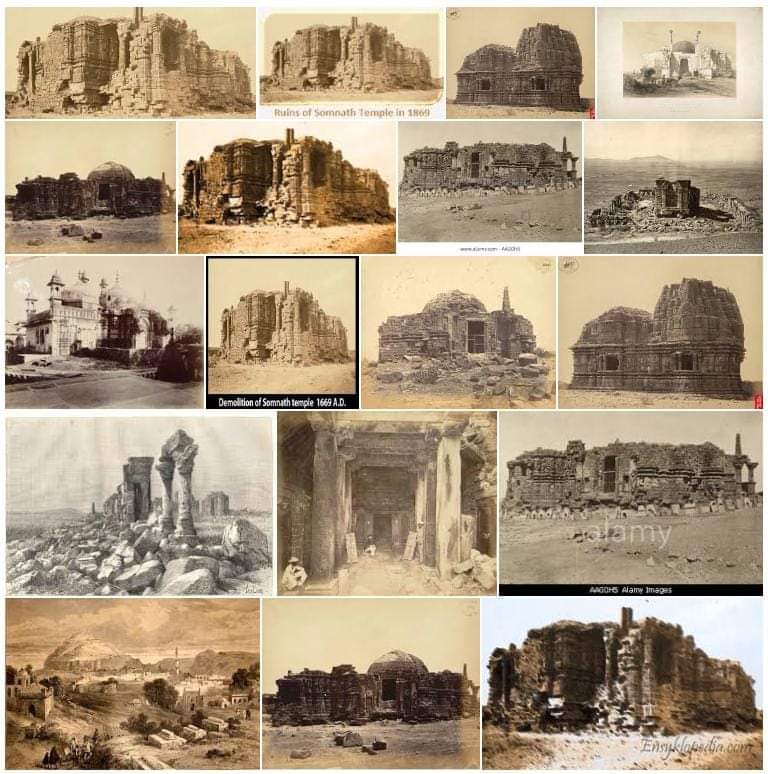
India which was called the Sone ki Chidiya has always been the center of power. This is not very old, but only 200-250 years old from today when India used to be the richest country in the whole world. There was so much gold and minerals in India that even after countless invasions, India was the richest of all countries. About 1000 years ago, in 1025 Somnath temple was demolished and looted by Mahmud Ghaznavi. It is said that Ghaznavi got immense gold, silver and other loot from the Somnath temple, which took him several days to take away. Not only this, the Somnath temple was looted a total of 17 times. And every time invaders got immense wealth, gold, silver and other loot from there. Just imagine how vast and how prosperous India must have been when so much money was received from a temple? The prosperity of India brought many invaders of the world towards India. Some of these invaders only returned after returning, but many invaders remained in India who made India their slave. Delhi Sultanates were the first among them like – Mamluk, Khilji, Tuglaq, Saiyad, Lodi Etc. After them Mughals came. Like – Babur, Akbar , Humayun, Aurangzeb, Later Mughals Etc. Delhi Sultanates and Mughals shook the roots of India. They tried to destroy the culture, society and religion of India. But because of some of our revolutionary kings and warriors like Maharana Pratap Chhatrapati, Shivaji Maharaj, Rana Sanga, Raja Krishnadev Rai and others. They not be completely successful in their purpose. But they shook the roots of the society and culture of India.
Pic-Credit
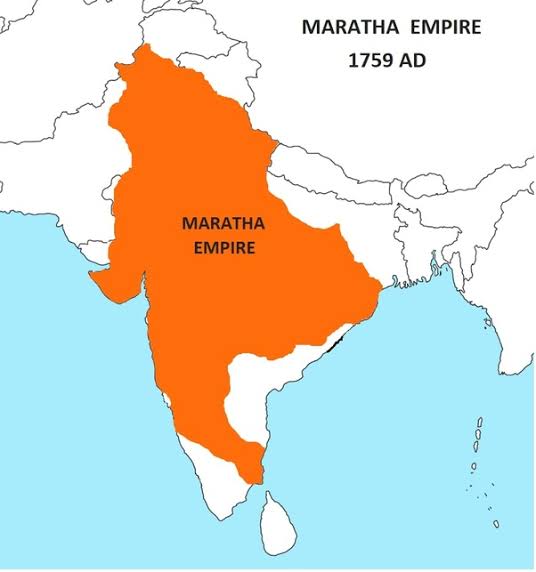
After the death of Aurangzeb at the beginning of 1700 , the Mughal Empire began to weaken & now There was only one superpower left in the country which was the Maratha Empire. The reins of the entire country fell into the hands of the Maratha Empire and Swaraj was established.Now it seemed as if the days of slavery were over, but this celebration did not last long. In 1857, after the third battle of Panipat, India became slave country again of British Empire. Whoever ruled India before the British. Thye used to live in India only. That did not affect the prosperity of India much. But The Britishers came to India only to do business. Their motive was only to loot India only. They had nothing to do with the society, culture and people of India. They only wanted profit. The British ruled us for a total of 200 years. That in these 200 years. India which used to be a golden bird has lost its luster. The British took raw materials from India to Britain at cheap prices and from there make goods and bring them to the market of India and sell them at an expensive price.They used the people of India for their profit. They forced the people of India to do wages and also used to collect taxes from them. The British completely shook the economy of India. After slavery of the British for almost 200 years and Due to the revolution carried out by many of our revolutionary warriors like – Bhagat Singh, Chandrasekhar Azad, Mahatma Gandhi, Veer Savarkar, Subhash Chandra Bose, Khudiram Bose, Pt. Ramprasad Bismil, etc., we became completely independent on 15 August 1947. India became independent on 15 August 1947, but with it came a great sorrow. It was sad that India was divided into three parts. Out of which two parts became Pakistan, out of which one part later became Bangladesh.
Pic-Credit
Today we are going to complete 75 years of independence. But we have to recognize the importance of this freedom. We have to know how many people have lost their lives for this freedom. How many people have lost their families, how many people have wandered from door to door for this freedom. We have not got this freedom in just 1 day, but this freedom struggle was going on for the last 1000 years which was completed 75 years ago from today. We were not slaves only for 200 years. We became slaves on the same day. The day we were attacked by the first external attack. That was the first outside king who started ruling over us. The freedom struggle had started on the same day. It reached its peak 75 years ago from today when We got complete liberty. Now it is our duty to protect and respect our flag, our constitution in this country and contribute in making India prosperous. We have to take this country forward by learning from history. We have to give that identity to India again. We have to make India as a golden bird (Sone ki chidiya) again.
So let’s celebrate this 75th independence of India with a promises that after 25 years from today, when we are celebrating the 100th year of independence, that time India will be a Golden Bird(Sone ki Chidiya) again.
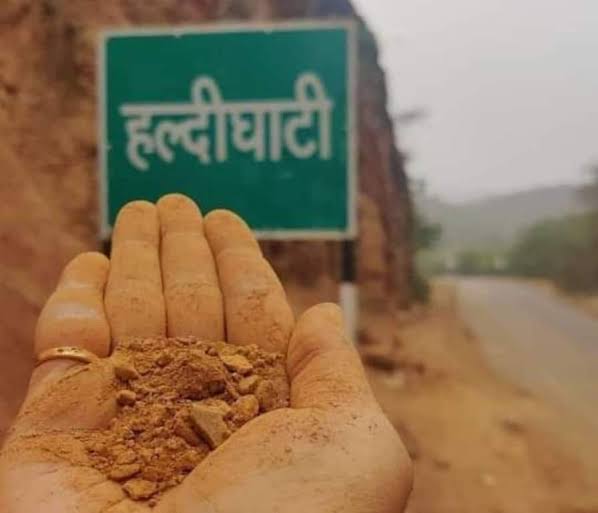
India always be the centre of power in the world. About 200 years ago today, India used to be the richest country in the world. That’s why it was called the golden bird that’s the reason India faced many external attacks. Many invaders attacked India, some of which went away by looting but some remained here. Who not only looted India but also made all efforts to destroy India’s culture and tradition. Due to which many big battles were fought in India. One of those big battles was the Battle of Haldighati. Today 446 years of Haldighati war have been completed. The Battle of Haldighati was not an ordinary battle, this battle was fought between a very large army and a small army for self-respect. So let’s read in this blog today about the fight that shook the throne of Delhi.
Pic-Credit
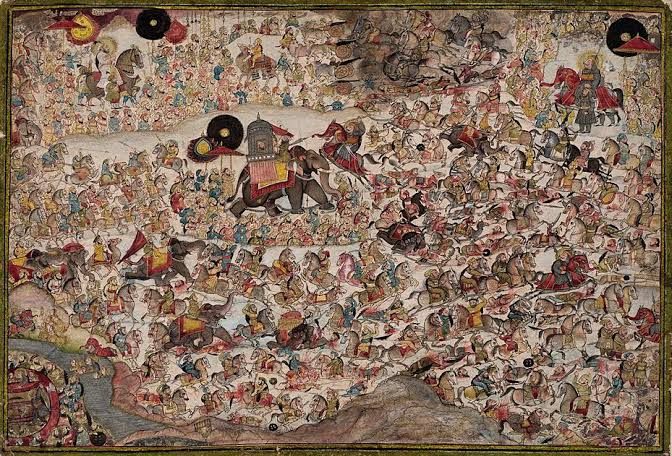
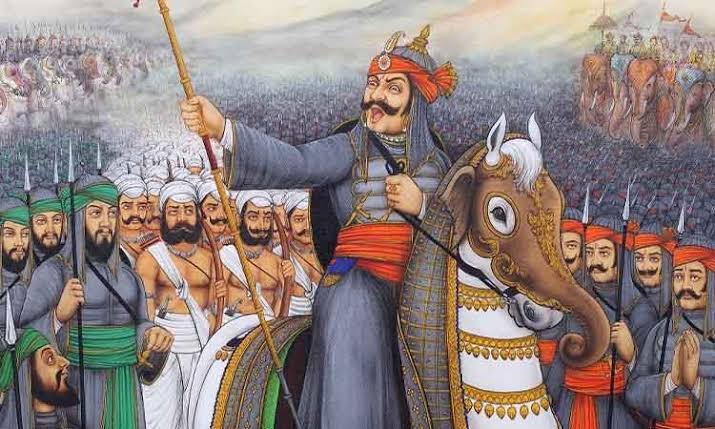
Whenever we talk about the Battle of Haldighati, the image of yellow soil, horses, elephants and swords colliding with each other comes to our mind. The image of a fight comes to our mind which lasted only 4-5 hours. But that’s not true. This battle is too big from our thinking. This battle was so big that even after many years of the battle, swords, skeletons and other fighting materials continue to be received from Haldighati till today. This battle was the battle of Self – respect fought between Maharana Pratap & Raja Maan Singh ( From the side of Mughal Emperor Akbar). This battle was fought by Raja Man Singh on behalf of Akbar. In this battle, where Man Singh had an army of 80000, Maharana Pratap had only 4000-5000 soldiers of which 1500-2000 were Bhils ( Tribals of Mewar).
Pic-Credit
This story begins because of Akbar’s hat. Akbar is considered the most powerful king of the Mughal Empire. Akbar had captured almost the entire northern India. He was the king of diplomacy. Due to which he was also successful in establishing a foothold in his biggest enemy Rajputana. He had become very powerful at that time. But still a state situated under Delhi stood free even today. Which Akbar could not tolerate. That state was Mewar. In the year 1567, Akbar was successful in capturing Chittor of Mewar. But he could not spoil anything for the royal family. Udai Singh was the Maharana of Mewar at the time of the battle of Chittor. Who made Udaipur his capital after losing Chittor. Rana Udai Singh died in 1572 and Pratap Singh Sisodia became the Maharana of Mewar after him. Maharana Pratap was a very brave and self-respecting king. After the death of Rana Udai Singh, Akbar tried his best to subdue Udaipur, but Maharana Pratap was a very self-respecting king, he loved his country very much and he did not want to sleep the invaders of his land. Akbar sent many kings to obey them but they did not listen. Akbar also tried his best to lure them but that too failed. Even Akbar agreed to give them half Hindustan in exchange for Mewar, but still he did not accept his offer.
Pic-Credit
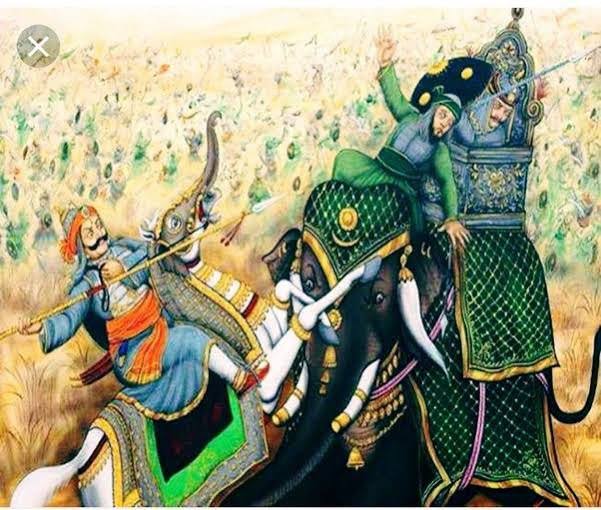
When none of Akbar’s moves was successful, he thought of attacking Udaipur. The responsibility of which was given to Raja Man Singh of Amer. On 18 June 1575, Raja Man Singh from Akbar’s side attacked Udaipur, the capital of Mewar with 80000 soldiers. Maharana Pratap was already aware of this attack and Man Singh’s army was stopped at Haldighati on the border of Udaipur. In this war where Man Singh had brought an army of 80000, Maharana Pratap had only 3000-4000 army in which there were about 1500 Bhils. Bhils played an important role in this war. Although this battle lasted only 4-5 hours, but this battle shook the Mughal Empire. Raja Man Singh thought that he would easily conquer Udaipur, but the opposite happened. Maharana Pratap’s army gave a befitting reply to his army. There came a time when about 70-80% of the Mughal army was exhausted. Everyone was astonished to see the bravery of Maharana Pratap in this war. He cut a commander of the Mughal army in the middle with only one stroke of the sword with horse and armor.
Pic-Credit
Not only Maharana but his horse Chetak changed the course of this war. With his tapo, he hit Man Singh’s elephant head in the hand of which Man Singh fell down. But his leg was cut off by the dagger in the trunk of the elephant and he was injured. As much as Maharana’s army was engaged, but at the same time Man Singh got help from other kingdoms. Due to Man Singh getting more help, Maharana and his horse Chetak were injured and keeping in mind the future of Mewar, Maharana was expelled from this battle. The commander of Maharana’s army, whose name was Jhala, looked exactly like Maharana, he disguised as Maharana and all the enemy soldiers who came to the battlefield went to Jhala and Maharana Chetak was successful in getting out of it. So that Mewar can be freed back in future. On that day, Chetak jumped a 23-feet drain to save Maharana Pratap & run 5-6 km.
Although Akbar had captured Udaipur, Maharana Pratap was still free and within only 10 years of the battle of Haldighati, Maharana Pratap withdrew everything. In this war neither Akbar won completely nor Maharana Pratap lost. After this war, as soon as Akbar came to know that Maharana Pratap was alive, he moved his capital from Agra to Lahore.
Our world is full of many interesting & Unique things & Creatures. Every living or non living things have some interesting facts. Today we are so busy to get progress that we do not even know some interesting facts about ourselves and nature. This universe is very big and in this entire universe life is possible only on earth, this is also an interesting fact. So let’s know some interesting facts related to nature, animals and humans in this blog today.
1. Ants Never Sleep
Pic-Credit
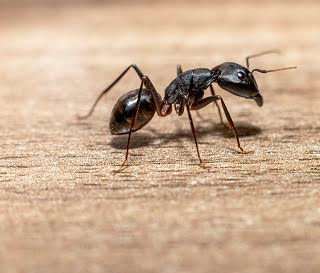
There are more than 12,000 species of ants all over the world. An ant can lift 20 times its own body weight. If a second grader was as strong as an ant, she would be able to pick up a car. ‘Ants Never Sleep’ means Ants do not sleep for a long time like other animals, but chitiyas rest for 8 minutes every hour, which some scientists also call power naps.
2. Household Dust or Dead skin🤔
Pic-Credit
Dead skin cells are a main ingredient in household dust. According to researchers at Imperial College London, humans shed around 200 million skin cells each hour—and they have to go somewhere when we’re indoors.
3. Sneeze can break your Bones
Pic-Credit
If you sneeze too hard, you could fracture a rib. Breaking a bone with a sneeze or a cough that seems to pull your lungs up until your throat can actually fracture your bone. Basically it is very rare & some times happen due to lack of vitamin d.
4. 3 heart Creature
Pic-Credit
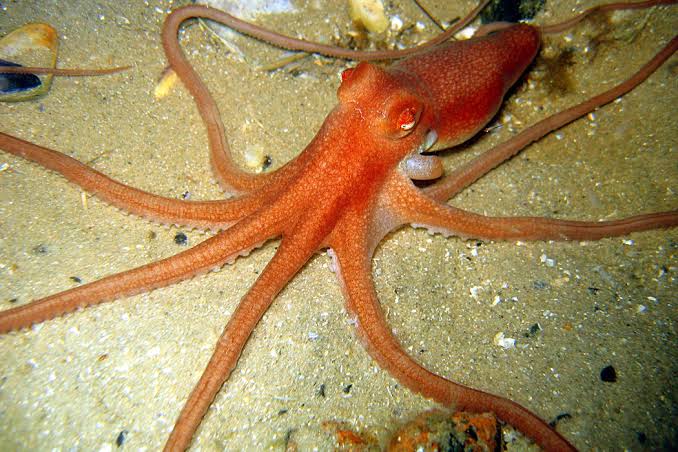
Octopuses have three hearts, which is partly a consequence of having blue blood. Their two peripheral hearts pump blood through the gills, where it picks up oxygen. A central heart then circulates the oxygenated blood to the rest of the body to provide energy for organs and muscles. Not only Hearts Octopus also have 9 Brains.
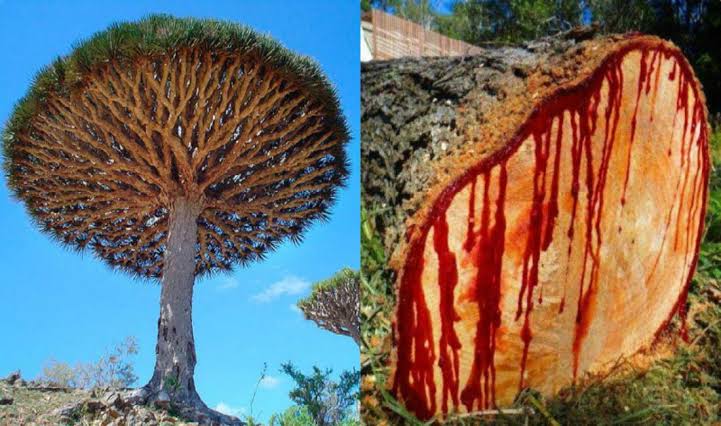
5. Blood Tree
Pic-Credit
Dracaena cinnabari, the Socotra dragon tree or dragon blood tree, is a dragon tree native to the Socotra archipelago, part of Yemen, located in the Arabian Sea. It is named after the blood-like color of the red sap that the trees produce.
6. Original producers of Oxygen
Pic-Credit
At least half of Earth’s oxygen comes from the ocean. The surface layer of the ocean is teeming with photosynthetic plankton. Though they’re invisible to the naked eye, they produce more oxygen than the largest redwoods. Scientists estimate that 50-80% of the oxygen production on Earth comes from the ocean.
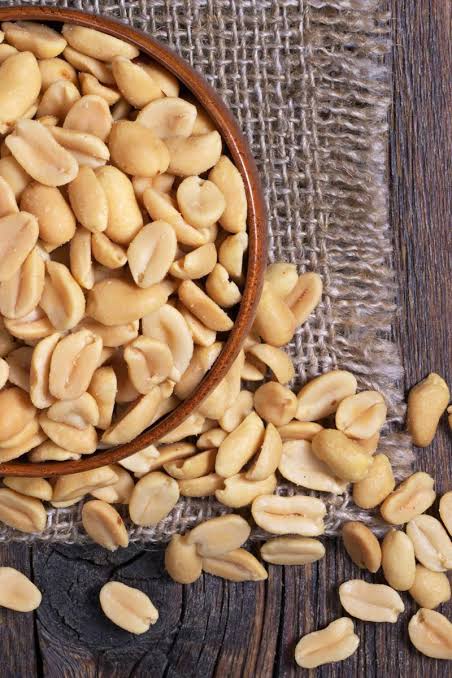
7. Peanut a Dynamite Ingredient
Pic-Credit
Peanuts, or rather their oil, can create quite a bang if used to make dynamite. The oil makes glycerol, which in turn can be used to make nitro-glycerine, a key ingredient of dynamite.
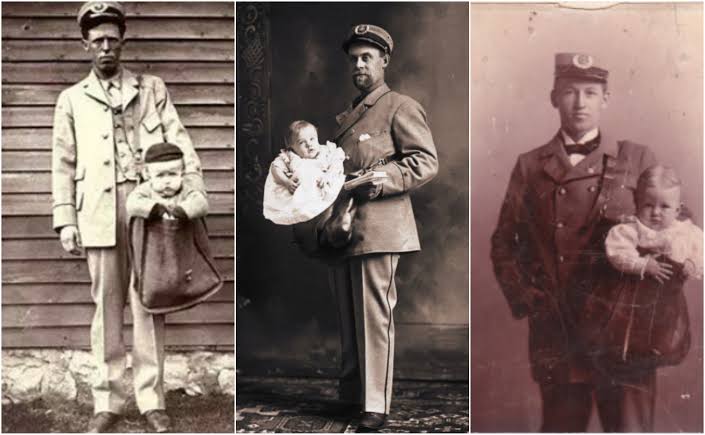
8. Kids Mail Service
Pic-Credit
Before 1913 parents could mail their kids to Grandma’s through the postal service. The United States Postal Service introduced parcel post in 1913. Before then, all packages sent by mail had to weigh 4 pounds (1.8 kg) or under. With the commencement of the parcel service, people could now ship anything below 50 pounds (23 kg)
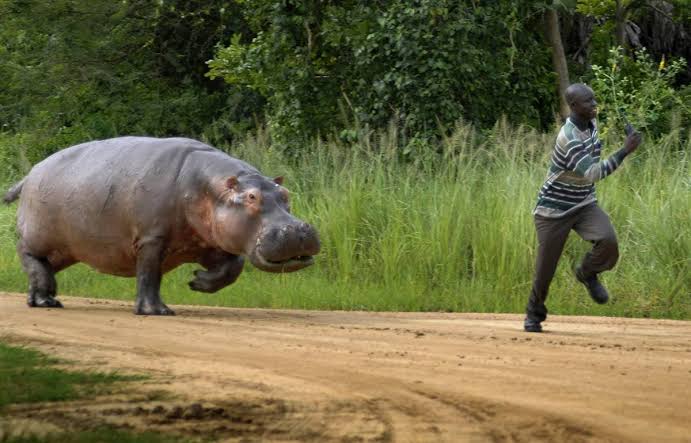
9. Hippopotamus faster than man
Pic-Credit
Male hippos can weigh more than 6,000 pounds. Females are more “delicate,” topping out around 3,000 pounds. Despite their massive bulk, hippos can run faster than humans — up to 30 miles per hour.
10. Anti Mosquito Country
Pic-Credit
In almost every country in the world, mosquitoes are a menace. Everywhere but Iceland, that is. Iceland is one of the few habitable places on the planet that is mosquito-free, and nobody really seems to know why.
11. Tongue Print
Pic-Credit
As we know we all have different Fingerprints, as well as we also have different Tongue Prints.
12. Uncountable Stars
Pic-Credit
There are more stars in space than there are grains of sand on a beach.
13. Smallest Country
Pic-Credit
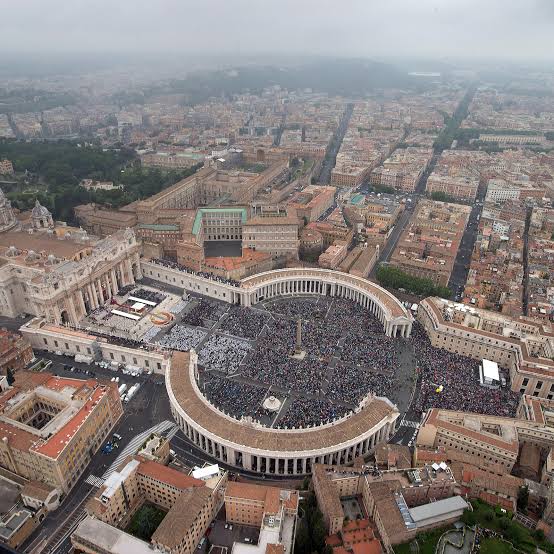
The smallest country in the world is the Vatican City in Rome, Italy. It’s only about 109 acres means India’s Smallest State Goa is also bigger than this country.
14. Food wastage
Pic-Credit
This fact is very sad but also true that the world wastes about 1 billion metric tons of food each year. If we somehow save this food, then a country can get food for more than 1 year.
15. Only Humans can Blush
Pic-Credit
Humans are the only animals who can blush.We are also believed to be the only animal that feels embarrassment—a complicated emotion requiring understanding others’ opinions and other factors. Charles Darwin called blushing “the most peculiar and most human of all expressions,” while Mark Twain said, “Man is the only animal that blushes. Or needs to.”
So these are the some unique & interesting facts about the world.
India is an Independent Country. Today we have world’s largest Democracy. Today we have freedom to do anything. But it was not always. Many people Sacrificed in liberating India. Of which we know about many people, but many such revolutionaries about whom we do not know anything.Today their name not found in any book of history.Today, in this blog, we will read about unsung heroes of Indian freedom struggle.
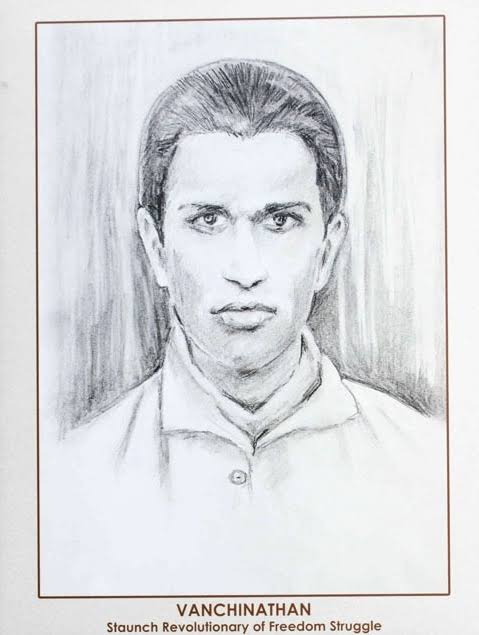
1. Vanchinathan
Pic-Credit
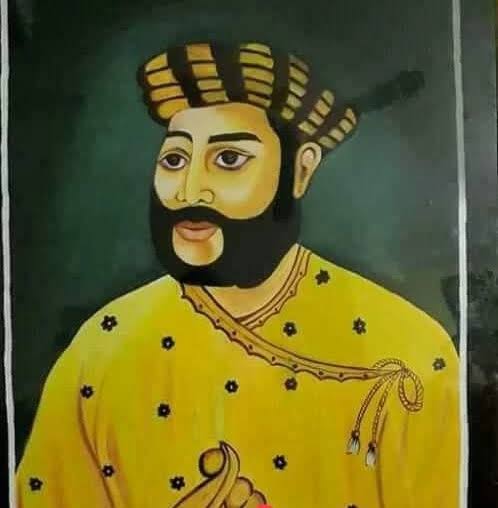
Vanchinatha Iyer (1886 – 17 June 1911), popularly known as Vanchinathan or Vanchi, was an Indian reactionary. He is best remembered for murdering Robert Ashe, the Tax Collector of Thirunelveli. On 17 June 1911, Vanchi who was 25, assassinated Robert Ashe, the district collector of Tirunelveli, who was also known as Collector Dorai. He shot Ashe at point-blank range when Ashe’s train had stopped at the Maniyachi Station, en route to Madras. He committed suicide thereafter. The railway station has since been renamed Vanchi Maniyachi.
After the shooting, Vanchinathan ran along the platform and took cover in the latrine. Sometime later he was found dead, having shot himself in the mouth. The pistol recovered from him was empty without any bullets as he just planned to kill himself after killing Ashe and had no intention to hurt anyone other than Ashe In his pocket was found the following letter:
I dedicate my life as a small contribution to my motherland. I am alone responsible for this. The mlechas of England having captured our country, tread over the sanathana dharma of the Hindus and destroy them. Every Indian is trying to drive out the English and get swarajyam and restore sanathana dharma. Our Raman, Sivaji, Krishnan, Guru Govindan, Arjuna ruled our land protecting all dharmas, but in this land, they are making arrangements to crown George V, a mlecha, and one who eats the flesh of cows.
Three thousand Madrasees have taken a vow to kill George V as soon as he lands in our country. In order to make others know our intention, I who am the least in the company, have done this deed this day. This is what everyone in Hindustan should consider it as his duty.
I will kill Ashe, whose arrival here is to celebrate the crowning of cow-eater King George V in this glorious land which was once ruled by great samrats. This I do to make them understand the fate of those who cherish the thought of enslaving this sacred land.
I, as the least of them, wish to warn George by killing Ashe.
Vande Mataram. Vande Mataram. Vande Mataram
— sd/-, R. Vanchi Aiyar, Shencottah
2. V.V.S AIYER
Pic-Credit
Varahaneri Venkatesa Subramaniam Aiyar (2 April 1881 – 3 June 1925), also known as V. V. S. Aiyar, was an Indian revolutionary from Tamil Nadu who fought against British colonial rule in India. His contemporaries include Subramanya Bharathi and V.O. Chidambaram Pillai, who subscribed to militant forms of resistance against the British colonial government. He went into exile in Pondicherry, then under French rule, when his militant activities attracted a warrant for his arrest from the British colonial government.
Aiyar’s militant attitude prompted the British Raj in 1910 to issue a warrant for his arrest for his alleged involvement in an anarchist conspiracy in London and Paris. Aiyar resigned from the Lincoln’s Inn and escaped to Paris. Although he wished to remain in Paris as a political exile, he had to return to India. Aiyar landed in Pondicherry on 4 December 1910 disguised as a Muslim to escape arrest and remained there as exile. Aiyar remained in Pondicherry for over ten years. While in Pondicherry, Aiyar met with fellow revolutionaries Subramanya Bharathi and Aurobindo. In Pondicherry, Aiyar was involved in the plot to assassinate Ashe, the Collector of Tirunelveli. One of his students, Vanchinathan assassinated Ashe. Thus more trouble arose for Aiyar and his companion Subramanya Bharathi.On 22 September 1914 the German cruiser SMS Emden entered the Madras harbour and bombarded the city. The British colonial government blamed this on the activities of the exiles in Pondicherry, and urged the French Governor to deport Aiyar and his companions to Africa. The French police brought several charges against the revolutionaries, but failed to convict them. During this period Aiyar translated the Tirukkural into English. He later revealed that he wanted to leave a legacy behind if he were forced to leave the country.Aiyar returned to Madras after World War I and worked as the editor of the newspaper Desabhaktan (Patriot). He was arrested in 1921 on sedition charges and spent nine months in prison. While in prison Aiyar wrote the book A Study of Kamba Ramayana.
As a writer, Aiyar has often been referred to as the “founder” of the short story genre in Tamil.
3. U Tirot Sing
Pic-Credit
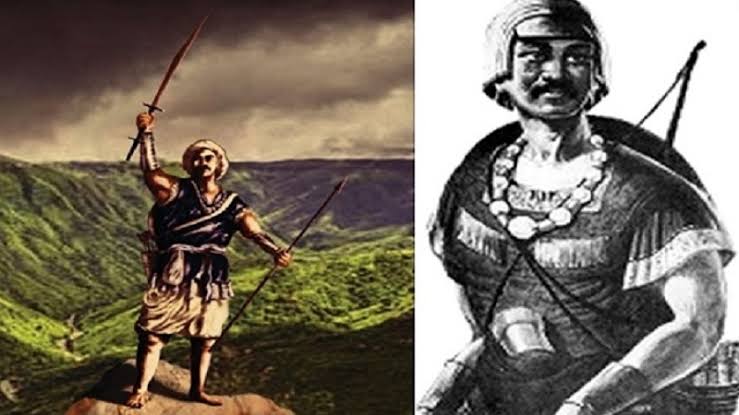
U Tirot Sing Syiem born in the year 1802 and died in the year 1835, was one of the chiefs of the Khasi people in the early 19th century. He drew his lineage from the Syiemlieh clan. He was Syiem (chief) of Nongkhlaw, part of the Khasi Hills. His surname was Syiemlieh. He was a constitutional head sharing corporate authority with his Council, general representatives of the leading clans within his territory. Tirot Sing declared war and fought against British for attempts to take over control of the Khasi Hills.
The entire North-East is proud of this warrior of Meghalaya. Tirot Singh blew the bugle against the British Empire at a very young age. He played brick by brick with about 10,000 of his fighters. By the way, Tirot Singh, who came from the Khasi community, was the king of Khadsawphra Siemship. But he was made very constitutionally seated in that position. His inner spirit was like that of a warrior. Raja Tirot Singh himself used to think day and night about the welfare of his subjects. That is why when the British, under the leadership of David Scott of the East India Company, proposed to him that they wanted to build a road to connect Guwahati with Sylhet, they welcomed that idea. Tirot Singh felt that this would benefit his community and he would be able to expand his business. He had a meeting with David Scott in his court in the year 1827. After a long discussion in this meeting, approval was given for the construction of a road from Rani to Nongkhlo near Guwahati to Surma Valley. When the construction of the road started, the bungalows of those people also came to Nongkhlo. For about 18 months, work proceeded smoothly and the officials mixed freely with the local tribals and maintained cordial relations. But, one day a Bengali servant told Tirot Singh that the British were planning to build this road and tax the local people and would subjugate them as soon as the road was completed.
It did not take long for Tirot Singh to understand the forgery of the British. They came to know that through this road the British wanted to carry out the abominable intention. He immediately asked everyone to vacate Nongkhlo. But the British ignored it. Tirot Singh got angry seeing this disobedience. After this, he along with some of his officers attacked the British on 4 April 1829. On the other hand, the British, seeing Tirot Singh’s displeasure, called their soldiers to Sylhet and Kamrup to save themselves and wanted to suppress their voice. But under the leadership of Tirot Singh, not much remained silent and he offered to wage war against the British. U Tirot Singh had only traditional warfare like arrow, spear, sword etc. They were not effective against the British gun and war strategy. Despite this, the fighters of the Khasi community under the leadership of Tirot Singh did not give up. He fought with the British for four years. Tirot Singh’s strength was continuously eroding. But they were not ready to bow down to the British. In injured condition, he went to the caves and took shelter. Unfortunately, one of his own deceived the British and he was forcibly surrendered on January 9, 1833.
Thereafter he was sent to Dhaka. Where he breathed his last on 17 July 1835 while in captivity. He is believed to have started having stomach troubles. Due to which he died. Today Tirot Singh is remembered along with the brave Indian warriors who never bowed their heads against the British of their own free will and stood firm despite the adverse wind. This genius of Meghalaya is also mentioned in the book ‘The History of Assam’ by British historian Sir Edward Gate and ‘Glimpses of the History of Assam Shillong in 1986’ by Professor PN Dutta. Apart from this, on this day people on social media are also paying tribute to Tirot Singh by remembering him and sharing the story related to him and saluting his bravery.
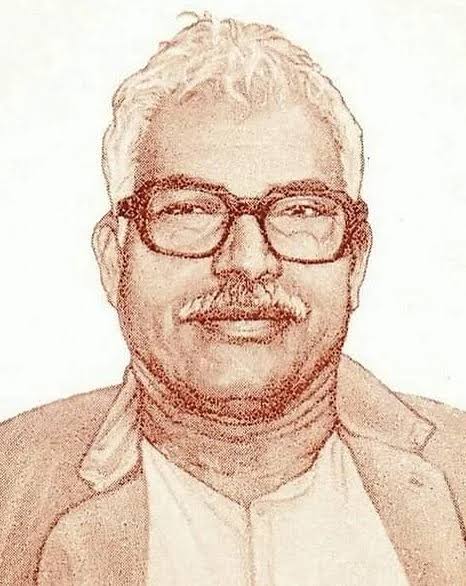
4. Karpoori Thakur
Pic-Credit
Karpoori Thakur (24 January 1924 – 17 February 1988) was an Freedom Fighter & Indian politician from the Bihar state. He was popularly known as Jan Naya. He served as the Chief Minister of Bihar from December 1970 to June 1971 (Socialist Party/Bharatiya Kranti Dal), and from December 1977 to April 1979 (Janata Party). He was influenced by nationalistic ideas as a student, and joined the All India Students Federation. As a student activist, he left his graduate college to join the Quit India Movement. For his participation in the Indian independence movement, he spent 26 months in prison. After India gained independence, Thakur worked as a teacher in his village’s school. He became a member of the Bihar Vidhan Sabha in 1952 from Tajpur constituency as a Socialist Party candidate. He was arrested for leading P & T employees during the general strike of the Central Government employees in 1960. In 1970, he undertook a fast unto death for 28 days to promote the cause of Telco labourers.Thakur served as the President of Samyukta Socialist Party. He is called a mentor to the prominent Bihari leaders such as Lalu Prasad Yadav, Ram Vilas Paswan, Devendra Prasad Yadav and Nitish Kumar.
5. Veer Kunwar Singh
Pic-Credit
Hundreds of heroes and heroes had an important contribution in the independence of India. Thousands of heroes had donated their lives, in the revolution of 1857 against the British, one of these warriors was Babu Veer Kunwar Singh, 80 years old warrior of Bihar. Who, regardless of their age and aging body, had sounded the trumpet of revolution against the British. Years of slavery and British rule was at its peak at that time, it is about those days when the British rule was spread all around in India, gradually the voice against the British was being raised, all the kings and subjects came together as foreigners. were united against the robbers. One such name among these revolutionaries was Babu Veer Kunwar Singh, whose age could not reduce the spirit of his devotion. Veer Kunwar Singh is known as the hero of India’s first freedom struggle, who had the ability to fight and win even at the age of 80. Anti-injustice and freedom lover Babu Kunwar Singh was a skilled army hero. Despite his aging and deteriorating health, he never bowed down in front of the British, but faced them firmly. Veer Kunwar Singh belonged to the royal Ujjainiya Rajput family of Jagdishpur.
Heroes like Nana Saheb, Rani Laxmibai, Tatya Tope and Begum Hazrat Mahal fought against the British in their respective areas. The revolutionaries of Danapur in Bihar also revolted on 25 July 1857 and took control of Ara. Veer Kunwar Singh was leading these revolutionaries.When people in all parts of India were protesting against the British authorities in 1857, Babu Kunwar Singh had completed 80 years of his age. At this age he fought against the British East India Company. Despite the deteriorating health, when the message of fighting for the country came. Then Veer Kunwar Singh immediately got up and went to fight against the British army, while fighting he had displayed unwavering courage, patience and courage. Kunwar Singh was one of the most important and influential freedom fighters in the Sepoy Rebellion of 1857. Born in 1777, Kunwar Singh died in the revolt of 1857.
6. Jhalkari Bai
Pic-Credit
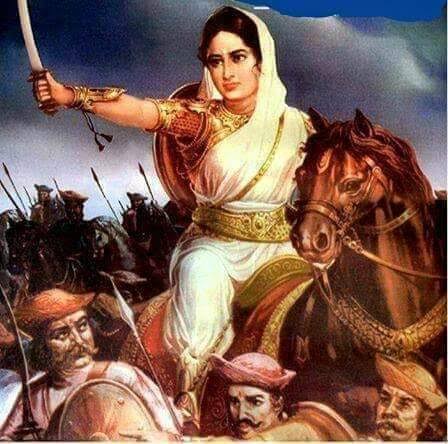
The name of Rani Laxmi Bai of Jhansi, who died for the country, is etched in everyone’s heart. Even if someone wants to forget, India cannot forget this mother’s daughter. But along with Rani Lakshmi Bai, there was another daughter of the country, who had neither the crown of the queen nor the power on her head, yet she fought hard for her soil and left her indelible mark on history. The heroine who not only participated in the revolt of 1857 but also did not care for her life to protect her countrymen and her queen. Jhalkari Bai was born on 22 November 1830 in a Koli family in Bhojla village near Jhansi, Uttar Pradesh. Jhalkari was as brave as she was married to a brave soldier. This brave soldier was Puran, who was famous for his bravery in the army of Jhansi. After marriage, when Jhalkari came to Jhansi, once on the occasion of Gauri Puja, along with other women of the village, she also went to the fort of Jhansi to pay respect to the queen. When Rani Lakshmibai saw him there, she was stunned. Jhalkari looked exactly like Rani Laxmibai. At the same time, when the queen heard the stories of Jhalkari’s bravery, she was so impressed by her that she immediately ordered Jhalkari to join the Durga Sena. But it was Jhalkari’s strategy to keep the British entangled and Rani Lakshmi Bai got more time to gather strength.
During the Revolt of 1857, General Huroj with his huge army attacked Jhansi on 23 March 1858. The queen valiantly faced the huge army from her army. The queen was waiting for help from the Peshwa at Kalpi but could not get any help, as Tatyan Tope had been defeated by General Huroz. Soon the English army entered Jhansi and the queen started fighting with her life to save her people. In such a situation, Jhalkari Bai decided to fight, claiming herself as a queen, to save the life of Rani Laxmibai. He kept the entire English army in confusion so that Rani Laxmibai could get out safely.
According to a Bundelkhandi story, Rani Lakshmi Bai disguised as Jhalkari Bai came out of the fort to meet her in the camp of British General Hughes. On reaching the British camp she shouted that she wanted to meet General Rose. Rose and her soldiers were delighted that not only had they captured Jhansi but the surviving queen was also in their possession. General Huroz (who thought she was a queen) asked Jhalkari Bai what should be done to her? So he said firmly, even if you hang me. Impressed by this courage and leadership ability of Jhalkari, General Huroes said, “If even one percent of India’s women become like him, the British government will have to leave India soon.”
So these were some freedom fighters whose names have been forgotten by history. They had great contribution in the independence of India:
India is the land of brave Warriors. There have been many such Heroes on the blessed land of India who have presented unique examples of his Bravery time to time with their strength & might. We know most of brave heroes. Bur there are most of brave heroes whom we don’t know. In this blog we study about that unsung Warriors.
1. Bappa Rawal
Pic-Credit
Bappa Rawal (reigned 734–753) was a majestic ruler of the Sisodia dynasty of Mewar. The princely state of Udaipur (Mewar) was founded by the Sisodia Rajputs in the eighth century. Bappa Rawal was also known as ‘Kalbhoj’. The people were impressed by Bappa Rawal’s works like protection, patriotism, etc., and decorated it with the title ‘Bapa’. Bappa Rawal was one of the Great & Strong king of India. In 728 he Captured Chittorgarh form Maan Maurya from Maurya Dynasty & established Guhil Dynasty which later came to be known Sisodiya Dynasty in which there were many brave and majestic kings like Rana Kumbha, Rana Sanga and Maharana Pratap who presented unique examples of Bravery, Strength & Patriotism.
Bappa Rawal is one of the great rulers of India who not only successfully stopped the invasion of Arab Muslim invaders on India, but also defeated Arabs many times in war and drove them to Arabia. Due to Bappa Rawal and warriors like him, India remained safe from the invasion of Arabs for the coming 400 years. Historians believe that Vappa Rawal was also called Bapa, his real name was Kalabhoja (Kalbhojaditya). He was born in the Guhil Rajput dynasty and was the ancestor of great kings like Rana Sanga and Maharana Pratap. Rawalpindi city of Pakistan was named after him. Bappa got the Eklingji temple built for Lord Shiva in Mewar.
2. Kondaji Farzand
Pic-Credit
What if I told you, an army of 60 man defeated an Army of 2500? It sounds impossible but it is true. This impossible task has been done in the history of India. The name of the warrior who did this Great and impossible task was Kondaji Farzan. Kondaji Farjan was one of the chief ministers of Chhatrapati Shivaji Maharaj. Chhatrapati Shivaji Maharaj had to pay a big price in the form of Tanaji Malusare for conquering Kondhana Fort because of which he was very sad. But after winning Kondhana, Panhal fort became very important for Chhatrapati because Panhal fort was called the gate of Deccan. Whose leadership he himself thought of taking but all the ministers refused him to do so. After which Kondaji Farzand talked about taking this responsibility. But Chhatrapati did not want to lose his other special soldiers. But after the insistence of Farzand, having confidence in his ability, the Maharaj agreed and asked Farzand that how much army do you want 1000, 1500 or 2000. Then Farzand replied Maharaj only 60 soldiers. Chhatrapati scolded Farzand for his bravery and gave him 60 soldiers. Farzand prepared those 60 soldiers for war and defeated Adil Shahi’s 2500-3000 army in just 1.5 hours and won the fort of Panhala and gave it to Chhatrapati Shivaji Maharaj.
3. Raja Bhoj
Pic-Credit
Raja Bhoj was the one of the most Celebrated Kings of India. He was belong to Parmara Dynasty. Raja Bhoja was a descendant of Emperor Chakravarty Vikramaditya. At the young age of fifteen, he was anointed on the throne of Malwa. His kingdom encompassed the Malwa region in central India. At the peak of his reign, Raja Bhoj’s kingdom extended from Chittor in the north to Konkan in the south, and from Vidisha in the east to the Sabarmati River in the west. Raja Bhoj built many temples during his time. Bhojpur is situated near Bhopal after the name of Raja Bhoj. He had also built the Bhojshala of Dhar. It is said that he had established the present capital of Madhya Pradesh, Bhopal, which was earlier called ‘Bhojpal’. In his name, the practice of giving the title of Bhoj also started, which was given to the kings who did great work like him.
When Mahmud Ghaznavi (971-1030 AD) destroyed Somnath in Gujarat, according to historian E. Lenpool, this sad news took a few weeks to reach the Shaiva devotee Raja Bhoj. According to the Turkish writer Gardiji, he was enraged by this incident and attacked Ghaznavi in 1026 and that brutal attacker fled to the desert of Sindh. Then Raja Bhoj gathered a combined army of Hindu kings to avenge Somnath by killing Ghaznavi’s son Salar Masud in a one-month battle near Bahraich and then built the Bhojpur Shiva temple located 32 km from Bhopal between the period 1026-1054. He established Somnath in Malwa.
4. Raja Surajmal
Pic-Credit
Maharaja Surajmal was one of the great king of India Maharaja Surajmal never lose any battle in his life. He was born on 13 February 1707.This is the same date in history on the day when Aurangzeb died. King Surajmal is taken with great pride among the kings who have a special place in north India for giving a befitting reply to the invasion of the Mughals.Surajmal had become everyone’s favorite in Braj Pradesh due to his bravery from adolescence. Maharaja Surajmal got throne on 22 May 1755. The Muslim rulers of Delhi were the reason for the troubles that came upon Braj in about six hundred years from the Sultanate period to the Mughal period, due to this there was a feeling of revenge, anger and violence for these rulers in Braj, which is evident from the rebellions carried out. The military officers of the Delhi administration were plunderers because of their bigotry. Things had changed during the time of Maharaja Surajmal. The brave and courageous men here began to consider themselves capable of attacking an attacker, not only in self-protection.
The Third Battle of Panipat took place on 14 January 1761 between the Marathas and Ahmad Shah Abdali. More than half of the one lakh Maratha soldiers were killed. Marathas neither had full ration nor did they have any distinction of this area, what war would the hungry soldiers for many days? If Sadashiv Rao did not quarrel with Maharaja Surajmal over a small matter and made him a partner in this war, then today the picture of India would have been different. Maharaja Surajmal nevertheless paid the right to friendship. When thirty to forty thousand Marathas started going back after the war, they were in bad condition by the time they reached the area of Surajmal. Wounded, hungry and thirsty, they were all on the verge of dying, and from above even in the severe winter, half did not even have woolen clothes. For ten days Surajmal kept him in Bharatpur, got him medicine and liquor and arranged for food and clothes. Maharani Kishori also appealed to the public and collected grains etc. It is heard that some twenty lakh rupees were spent in his service and water. On the way, each person was given one rupee, one ser of grain and some clothes etc. so that he could meet the cost of the way.
India Had Ruled by Many Empires. Some of whom came from outside who distroye our Culture, Religion & Civilization. So some of whom are from India & they made India a great country and protect India’s dignity, culture & Traditions. Today we know about Delhi Sultanate, Mughal and British Empire but But the Empire who belonged to India, who empowered India in the world, whose praises are also found in the history books of different countries of the world, We only few people about them. These empires ruled not only India but a large part of the world. So today in this blog we will read about some Great Empires of India, who originally belonged to India.
1. The Mauryan Empire
Pic-Credit
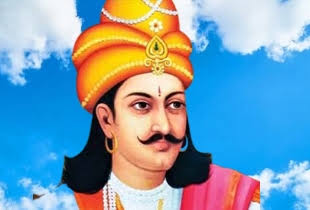
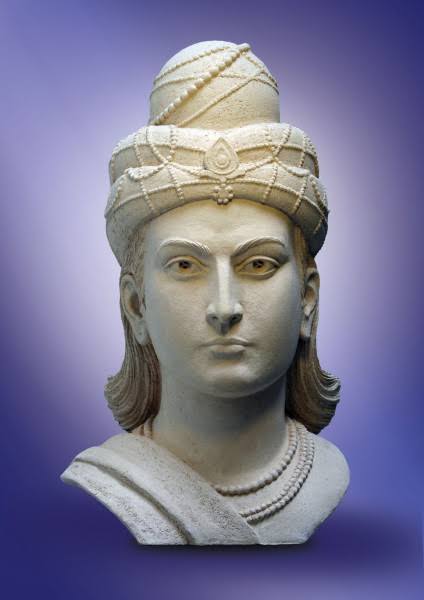
The Mauryan Empire (322 BCE – 185 BCE) supplanted the earlier Magadha Kingdom to assume power over large tracts of eastern and northern India. At its height, the empire stretched over parts of modern Iran and almost the entire Indian subcontinent, barring only the southern peninsular tip. Mauryan Empire was the first such empire in the country which ruled a very large part. There were many great and majestic rulers in this empire, Like – Chandragupt Maurya,Bindusara & The Great Ashoka. This empire is not only for the noble rulers but also for the great scholars, Like – Chanakya, Bhadra Bahu, etc. Whose explanation is found not only in India but also in many countries of the world. Some Great Rulers of Mauryan Empire:
*Chandragupt Maurya
Pic-Credit
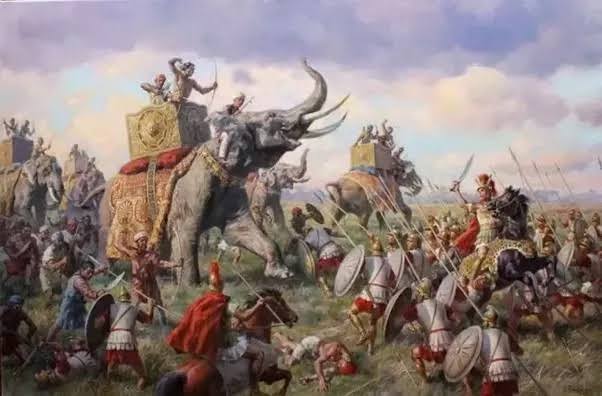
Chandragupt Maurya is one of the Great King of Indian History. He was the founder of Mauryan Dynasty & First King of Mauryan Empire. Chandragupta Maurya is known in Greek as Andro Kattus and Sandrokottus. Which is mentioned in the book Indica of Magasthenes, which is a book written in Greek language. In 323 BC, Chandragupta Maurya with the help of Chanakya killed Dhananand and sat on the throne. Alexander’s emphasis was more at the time when Chandragupta became the king. But still he defeated Alexander’s general Sallucus Nicator twice in battle and kept him captive for several months & after that he marry with Sallucus Nicator’s daughter Helena. With the help of Chanakya Chandragupt Maurya spread Mauryan Empire in a larg area & Rule on them. In 298 BC he start following Jainism & handed his throne to his son Bindusara, & Died by santara system of Jainism. It is difficult to believe that a king who has a big empire was left his empire & died by santara system. Chandragupta Maurya was followed by his son Bindusara who is called the son of a great king and father of a great king.
* The Great Ashoka
Pic-Credit
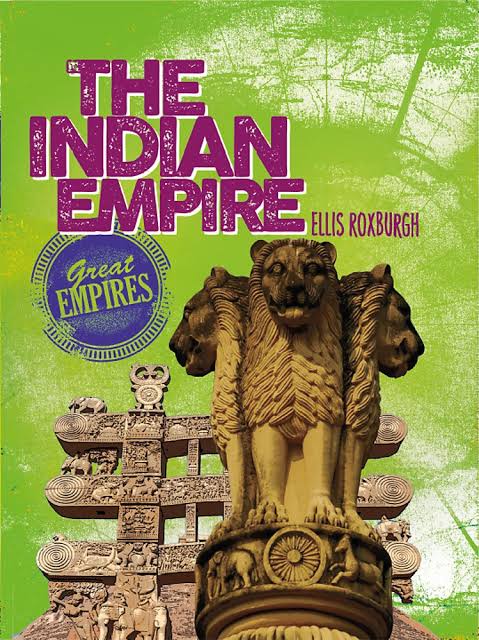
Ashoka was the third ruler of the illustrious Maurya dynasty and was one of the most powerful kings of the Indian subcontinent in ancient times. His reign between 273 BC and 232 B.C. was one of the most prosperous periods in the history of India. Ashoka’s empire consisted most of India, South Asia and beyond, stretching from present day Afghanistan and parts of Persia in the west, to Bengal and Assam in the east, and Mysore in the south. Buddhist literature document Ashoka as a cruel and ruthless monarch who underwent a change of heart after experiencing a particularly gruesome war, the Battle of Kalinga. After the war, he embraced Buddhism and dedicated his life towards dissemination of the tenets of the religion. He became a benevolent king, driving his administration to make a just and bountiful environment for his subjects. Owing to his benevolent nature as a ruler, he was given the title ‘Devanampriya Priyadarshi’. Ashoka and his glorious rule is associated with one of the most prosperous time in the history of India and as a tribute to his non-partisan philosophies, the Dharma Chakra adorning the Ashok stambh has been made a part of the Indian National Flag. The emblem of the Republic of India has been adapted from the Lion Capital of Ashoka. Ashoka Rule on a big part of the world. He was one of the Great Rulers of the world. He was died in 232 BC.
After The Great Ashoka there were many Great Rulers in Mauryan Dynasty like – Baidhrath who was the last king of Mauryan Empire. Maurya. Empire was the biggest & Greatest Empires of India.
2. Gupta Empire
Pic-Credit
The Gupta dynasty ruled the kingdom of Magadha in north-eastern India from the middle of the third century to AD 543. Historians believe that the Gupta period was the classical age of India and it was in this era that Indian literature, art, architecture and philosophical norms were established. The 5th-century Sanskrit poet Kalidasa credits the Guptas with conquering about 21 kingdoms outside and inside India, including the Parasikas, Hunas, Kambojas and others. The Gupta dynasty is also credited with restoring the political unity that was destroyed after the fall of the Maurya dynasty. There were many Great Kings in Gupta Empire like – Sri Gupta, Chandra Gupta, Samudra Gupta, Chandra Gupta 2 ( King Vikramaditya), Skanda Gupta, etc.
* Sri Gupta
Pic-Credit
Sri Gupta was the founder of Gupta Empire. After the end of Mauryan Empire in 240 BC. Sri Gupta Unite all the states & form a new Great Empire the Gupta Empire & got the title Maharaja. Shri Gupta could not spread the Gupta Empire to a large extent and died in 280 BC. After the Death of Sri Gupta his Son Chandra Gupta 1 was became the king.
* Chandra Gupta 1
Pic-Credit
Chandra Gupta 1 is consider as the real founder of Gupta Empire because he start Gupta Era in 319 AD. He Spread Gupta Dynasty in a big part of India & also established a great economic system & start Gold Dinar Coins. He Ruled on a big part of India & Spread Gupta Empire in big area. He was dead in 335 AD.
* Samudra Gupta
Pic-Credit
Samudra Gupta is one of the Great Rulers of India. He was the First King of India who spread his Empire to south india. He was the First King who performed Ashumadha Sacrifice & adopted the title of Ashumadha Prakaram. Samudra Gupta Never loss any war in his life. He is also consider as the Napoleon of India. After his death his Son Ram Gupta became the king & after his death his Son Chandra Gupta 2 (King Vikramaditya) was becomes king.
* Chandra Gupta 2 (Vikramaditya)
Pic-Credit
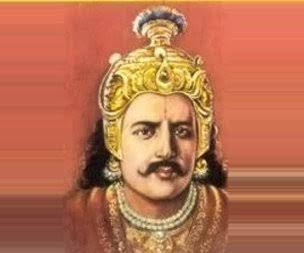
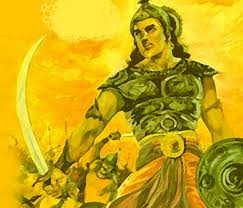
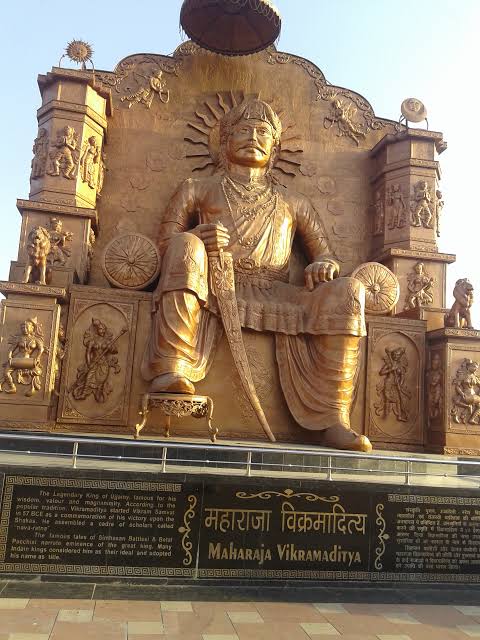
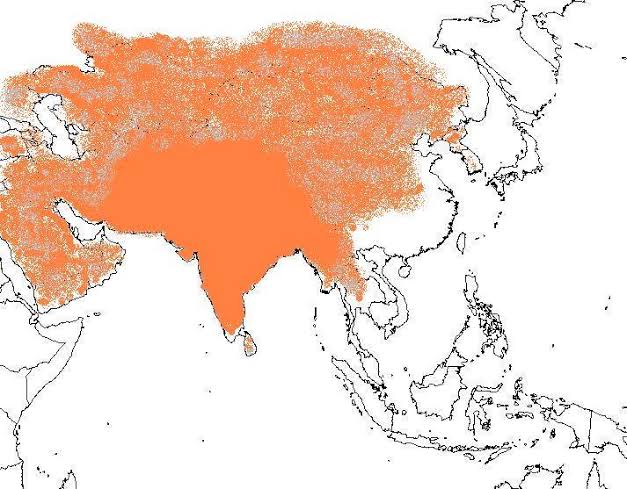
Vikramaditya was the first Chakravarti emperor of India, the empire spread to Arabia, Europe, Rome. The great king Vikramaditya, whose name is counted among the best kings of India and in his name. Continues the year counting system of India, which we call Vikrami Samvat. In fact, Vikramaditya started the title of Chakravarti Emperor by the kings in India. Vikramaditya’s empire stretched from present-day India to Africa and Rome. Vikramaditya was the first king to hoist victory over the entire Arab world of the present day.
Empire of King Vikramaditya (Chandra Gupta 2) (Pic-Credit)
King Vikramaditya made Ujjain his capital. At the age of 20, King Vikramaditya had repulsed the forces not only from the borders of India but also from all over Asia. It may be known that at that time India’s borders extended to present-day Arab Europe and East Asia. After liberating India and Asia, Vikramaditya did not sit on the throne himself but made his elder brother Bhrithari as king, but the deception of his wife made the brother-in-law a monk and after that, the sons of Bhirthari also refused to sit on the throne. Then King Vikramaditya had to sit on the throne. Raja Vikram’s coronation took place on the day of Holy Diwali. He conquered Shakas and founded the world’s first calendar Vikram Samvat. Chandra Gupta 2 (King Vikramaditya) is one of the Great Rulers of India.
After Chandra Gupta 2 there were many more great kings in Gupta Dynasty like – Kumar Gupta, Skand Gupta, Puru Gupta, etc.
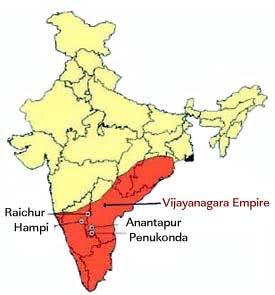
3. Vijaynagar Empire
Pic-Credit
Vijaynagar Empire is one of the Great Empires of India. The Vijayanagara kingdom was founded by Harihara and Bukka of the Sangama dynasty in 1336. At the instance of their guru Vidyaranya, they established their kingdom with its capital at Vijayanagar.Harihara became the first ruler, and by 1346 the whole of Hoysala kingdom passed into the hands of the Vijayanagara rulers. In late 14 century Vijayanagar was the strongest Empire in India. There were many great rulers in Vijaynagar Empire like – Harihar, Bukka Ray, Krishna Dev Ray, etc.
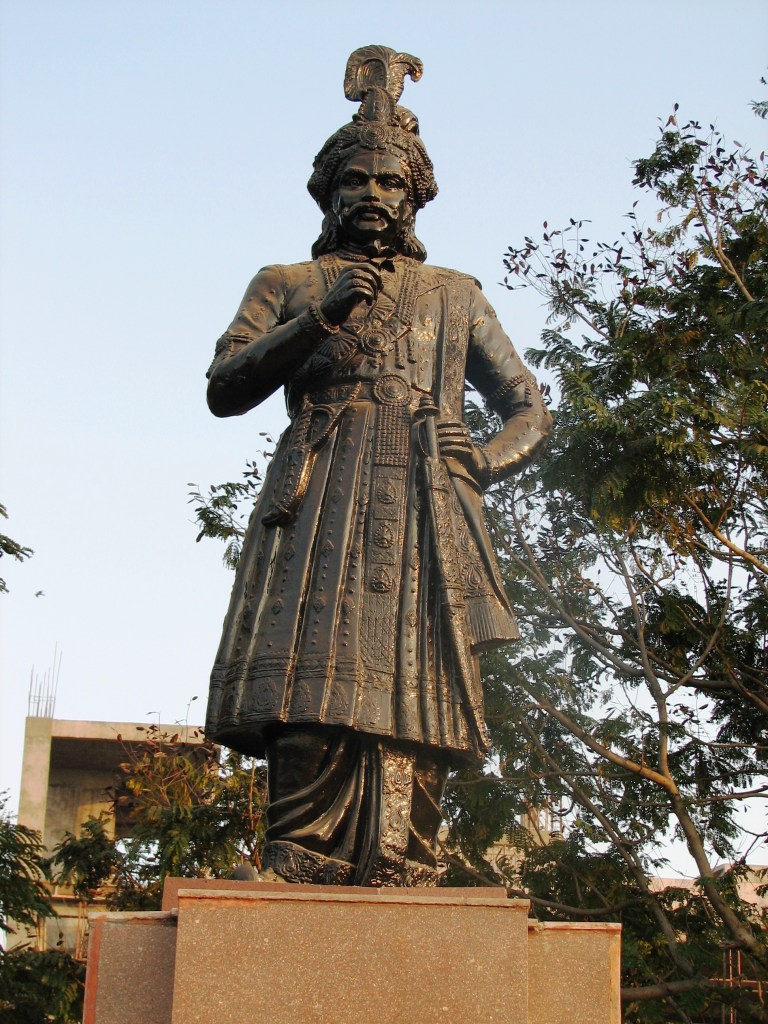
* King Krishna Dev Ray
Pic-Credit
Krishna Dev Ray was the strongest king of Tulva Dynasty of Vijaynagar Empire. His Region was in india from 1509-1529. He was the third ruler of the Tuluva Dynasty and is considered to be its greatest ruler.[citation needed] He possessed the largest empire in India after the decline of the Delhi Sultanate. Krishna Dev Ray was the strongest king at Delhi Sultanate decline period. Krishnadev Ray established Asht Diggaj in his court which was copied by Akbar in his court as navratan. The most famous & intelligent scholar of krishna Dev Ray was Pandit Rama Krishna also known as Tenali Rama. The Vijayanagara Empire was so powerful that the Mughals could never capture Vijayanagara.
Vijaynagar Empire was one of the Great Empire of India. It was famous for Art also. Today’s Hampi in Karnataka was the Capital of India.
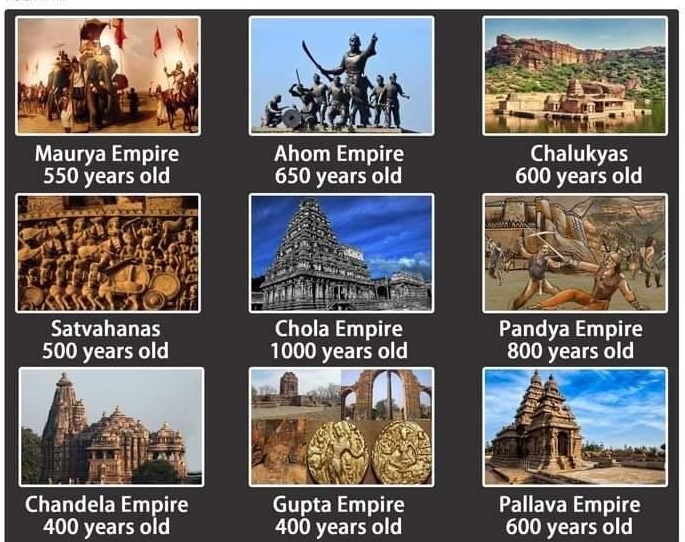
Great Empires of India (Pic-Credit)
So these were some of the greatest empires of India. But in India there is only this, but there have been many other such empires which have give examples of bravery, governance policy, great economy system. Like – Chola Empire, Pallava Empire, Pandya Empire , Chandela Empire, Rajput Empire, Maratha Empire, etc. These empires gave India a new identity in the world and spread the greatness of India to the whole world. But this is our misfortune: that a country whose history is not just only thousands but millions of years old,Today it has become the history of some Glorified Terrorists only. But this time to remember our Great Empires & Rulers. In the second part of this blog we will read about more great Empires of India in detail.
India was called the Sone Ki Chidiya (Golden Bird) because of its Resources , Culture & Strong Economy. But there were many Foreign Invasions on it. Who has faded its brilliance. These invasions destroyed the culture of India. Many external forces ruled India. These Power disturbed the economy of India. These external forces not only disturbed the economy of India but they also ruined the culture, unity and independence of India. These Invaders not only used to come to India to loot, but some even ruled in India. They used to come to India to plunder openly and also create terror by massacre. These external invaders tried their best to destroy the history of India. But today we are read about them glorifyingly. We are read about them that they had an important role in the making of India. Its is very sad.This is India’s misfortune. So in this Blog we will Read about them that they were Really Nation Builders or Destroyer.
Pic-Credit
India faced countless external invasions. These invasions. These attacks directly or indirectly affected India. The first Islamic attack in India was by Mohammed bin Qasim in the 12th century. Qasim captured Sindh by defeating King Dahir of Sindh. Although Qasim had come to India to plunder, but after capturing Sindh he was massacred and converted people to his religion in large quantities. He also destroyed many temples in Sindh. This attack of Mohammed bin Qasim opened the door for external attacks in India. After Muhammad bin Qasim, Muhammad Ghaznavi attacked India 17 times. He looted Somnath Temple 17 times . He not only looted the Somnath temple 17 times but also destroyed the Shivling ( the statue of Lord Shiva). Not only Mohammad Ghaznavi but after Muhammad Ghaznavi Qutb ud Din Aibak also Demolished Hindu and Jain temples and built a mosque and Qutub Minar there in Delhi. This event is also marked on Qutub Minar.But it is very sad that it is not taught in any book and Qutub Minar is said to be the historical heritage of India.
Pic-Credit
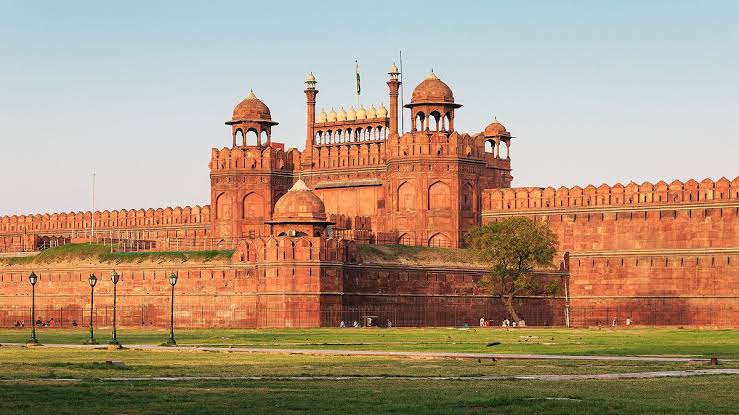
Many years after Qutb-ud-din Aibak, Alauddin Khilji became the Sultan of Delhi. Alauddin Khilji is said to be a successful ruler. But it is not hidden from anyone that the only reason for the Jauhar in Chittor was also Allauddin Khilji. In which many queens had sacrificed themselves by jumping into the fire for their self respect. Not only this, to end the history of India, Muhammad Ghori’s General Bakhtiyar Khilji had set the Nalanda University on fire. In our books, we are read about these events, but on the other hand these Invaders are also glorified. It is very sad. Today we read that Akbar was the great. But due to the same Akbar, thousands of queens had committed Jauhar on 22 February 1568 to save their dignity. Not only this, after winning Chittorgarh fort on the next day, the same Akbar killed 30,000 innocent people. How can a king who killed thousands of innocent people be great? It is a matter of great sorrow that Aurangzeb, who caused great terror in India, got many temples demolished & killed many respected sikh Gurus, today a whole city is settled in our country on his name. Today we consider the Red Fort as the pride of India, but that Chittorgarh Fort which was built much earlier than the Red Fort & who is the symbol of courage and sacrifice: few people know about it. Our brain washed has been done in such a way that we consider them as nation builders. But the truth is they were not nation builders. They were destroyers.
Real Nation Builders
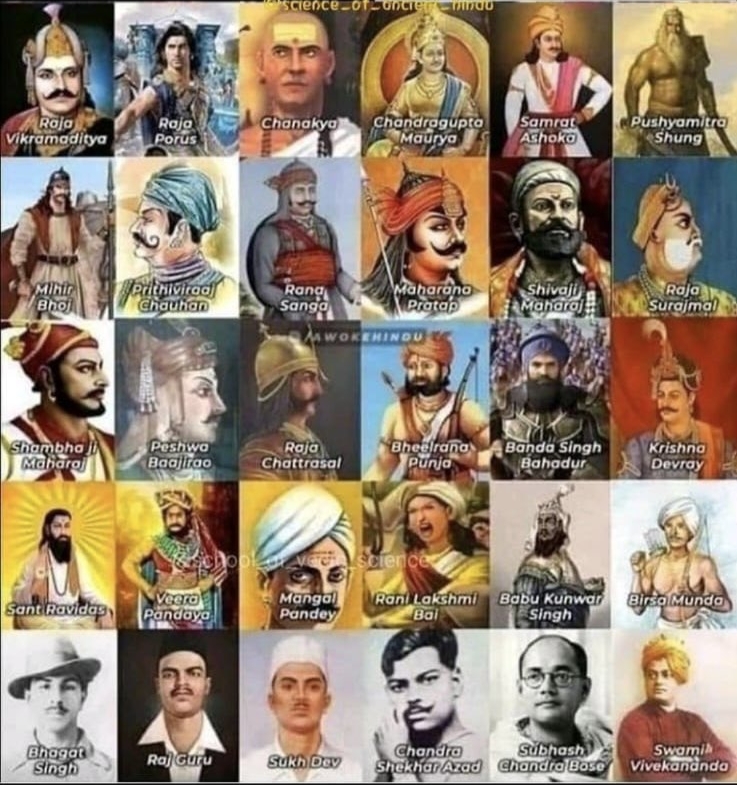
Today our brainwash has happened in such a way that we have forgotten the real nation builders. Today we are read that Maharana Pratap had to retreat in the battle of Haldighati. But despite having very less army in the battle, Maharana Pratap had pushed back the Mughal army for many kilometers, no one reads this. No one tells us about the battle of Dewair in which Maharana Pratap defeated Akbar’s army of 1 lakh with an army of only 36,000. We are read about Tippu Sultan’s sword but no one tells about Chhatrapati Shivaji Maharaj’s sword. Which is said to have been given to him by Lord Durga herself and Shivaji Maharaj never lost any battle with that sword. But now the time has come for us to recognize our real heroes. Our heroes are not Qasim, Ghazni, Ghori, Khilji or Mughals but our real heroes and nation builders are Rana Hamir, Rana Sanga, Maharana Pratap, Chhatrapati Shivaji Maharaj, Rani laxmi Bai, Birsa Munda, Chandresh Azad and others are all those people who stood up to protect our culture and country.
As we know that India was attacked by many external forces and also ruled different parts of India. But if we talk about ruling the whole of India, then only two forces were successful in that. It was the Mughal and British government. These two forces ruled India overall 800 years. In which 600 years Mughal and 200 years East India Company ruled. Both of them were very cruel rulers. They destroyed the Culture, dignity, integrity and courtesy of India. For freedom from these two powers, many great warriors of India fought for many years and tried to save the integrity and pride of India. Out of these, we all know about the freedom that India got from the East India Company.But only few people know about the independence from the Mughals. Which can also be seen as the first independence of India. Today in this blog we will read about the first Independence of India.
Pic-Credit
The Mughals arrived India in 1526 and Babur became the first ruler. Babur, although he had brought few army, but he was the first person who used Canon in India. Using which he easily defeated Ibrahim Lodhi’s large army and captured Delhi. Babur was a very cruel ruler. Babur destroy India’s Culture, Dignity & Unity. Babur also aspired to impose his religion in India. Not only Babur but all the kings of the Mughal Empire were of this tendency. The greatest expansion of the Mughal Empire in India took place during the time of Akbar. Akbar was the king of diplomacy. He had a good understanding of politics. Akbar took the divide and rule policy and made Rajputs fight among themselves. Akbar wanted his rule in the whole of India, but the great ruler Maharana Pratap stood in front of him as a shield. Maharana Pratap not only prevented Akbar from capturing the whole of India but also forced him to flee from Delhi to Lahore. Aurangzeb later became the king in the Mughal Empire. Aurangzeb crossed all limits of cruelty. It is said that Aurangzeb was a staunch Islamic. He started the expansion of Islam to a large extent in India, for which he crossed all limits.
Pic-Credit
By the way, the foundation for freedom from the Mughals in India had been laid long ago.In which Rana Sang, Maharana Pratap, Maharana Amar Singh, Rani Durgavati, Afghan and many other warriors played the main role. But Chhatrapati Shivaji Maharaj vowed to establish Purna Swaraj in India. Chhatrapati Shivaji Maharaj vowed to establish Purna Swaraj in India at the age of 14 and laid the foundation of the Maratha Empire. Chhatrapati Shivaji Maharaj expanded the Maratha empire to fulfill his oath and gave a tough fight to the Mughal emperor Aurangzeb.To fulfill the dream of Chhatrapati Shivaji Maharaj to establish Swaraj in India the Maratha Empire invaded Delhi on 11 August 1757. At that time Delhi was in the possession of Rohilla Chief Ahmed Shah Abdali. The strength of Maratha army in this war was approx 30,000 & the strength of Abdali army was 40,000. In this war, the Maratha army was led by Raghunath Rao and Malharao Holkar & Abdali’s army was led by Najib-ud-Daula.
Pic-Credit
A fierce battle took place between the two armies and the Maratha army was victorious. On being victorious, the Maratha army raised the flag on the Red Fort of Delhi. On that day the dream of Chhatrapati Shivaji Maharaj was fulfilled and Swaraj was established in Delhi. This was India’s first Independence. But it is a matter of great sadness that many of us do not know about this independence. The Mughals who kept us enslaved for 600 years tried to impose their religion on us.Today we are taught about their works. But no one cares about the torture inflicted by them, no one cares about the ill-effects of them in our country. The Akbar who killed 40,000 innocent people in Chittor, due to which many queens had to commit Jauhar, he is said to be a great ruler. Aurangzeb, whose cruelty was discussed in the whole world, is also known as a verse .No one cares about the people who were really great like – Rana Sanga, Maharana Pratap, Chatrapati Shivaji Maharaj, Sambha ji Maharaj, Bhagat Singh, Khudiram Bose, Subhash Chandra Bose, Chandra Shekhar Azad & more. These personalities are really good personalities not Mughals or Britishers or other foreign invaders.
This was to be considered as the first Independence of India














 Vishal Thakur